
Main Navigation
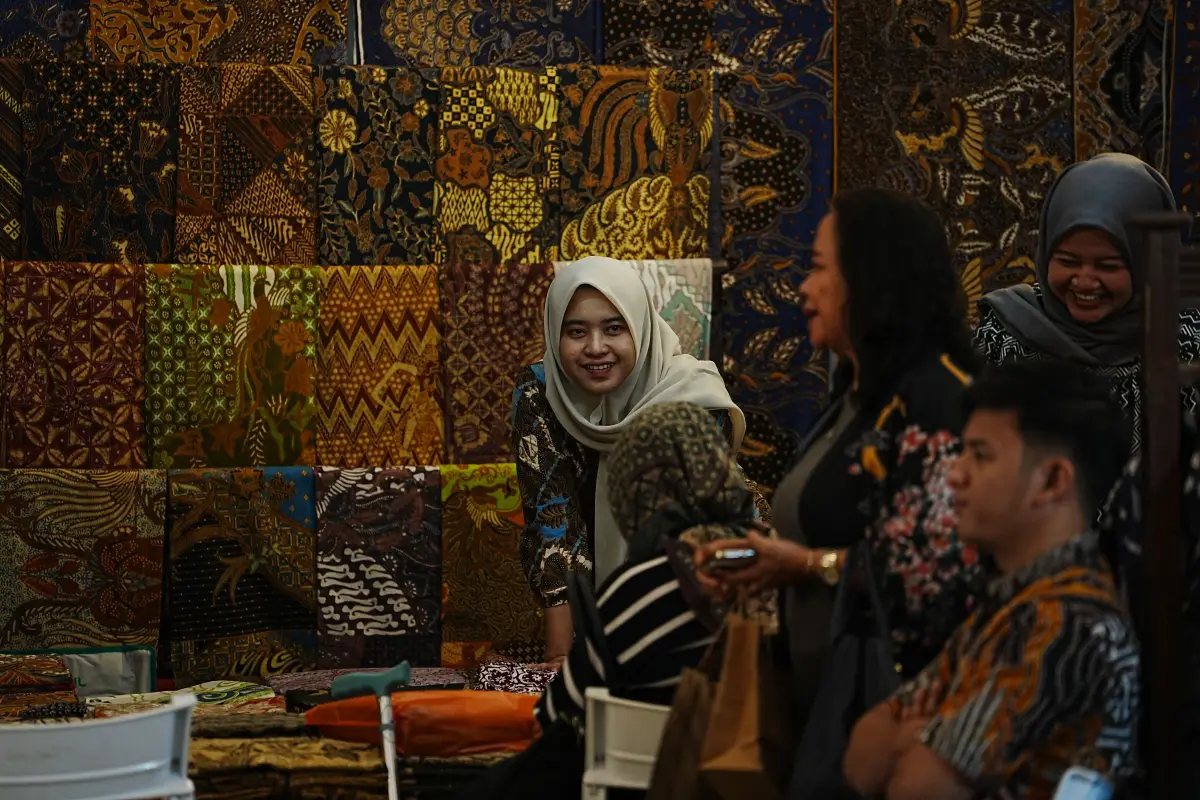
Beringharjo Market Yogyakarta is not just a place to buy souvenirs. It is a living reminder of the city's trading heritage and one of the most authentic traditional markets in Java. Located at the southern end of the famous Malioboro Street, this sprawling market has been a favorite stop for local families, batik lovers, and curious travelers for decades.
What makes Beringharjo special is its mix of old and new. On one side you will find piles of hand-stamped batik and fragrant spices. On the other you will see everyday life unfolding: shoppers bargaining, porters carrying goods, and food vendors preparing Javanese snacks. For travelers who want more than a mall experience, this is the place to understand Yogyakarta's everyday rhythm.
Because the market is so central to local trade, visiting here also supports small family businesses and artisan cooperatives. It is a great introduction to batik shopping Yogyakarta, traditional market Yogyakarta, and the wider Malioboro street shopping scene.
Beringharjo Market sits at the southern end of Jalan Malioboro, within easy walking distance of most hotels, Tugu Train Station, and the Yogyakarta Palace. If you are already strolling along Malioboro, simply keep walking south, away from Tugu Station, and you will see the market's white facade after about five to ten minutes.
From outside the city center, you can take a local bus, an online motorbike taxi, or a car. But the most memorable way to arrive is by becak, a colorful pedicab, or andong, a horse-drawn cart. Just agree on the fare before you hop in.
If you are planning your journey from Jakarta or beyond, check out our guide on Jakarta to Yogyakarta: Flight, Train, or Car? to choose the best option for your trip.
If your main goal is batik shopping Yogyakarta, you have come to the right place. Beringharjo is one of the best spots in the city to compare many batik styles under one roof. However, the market holds much more than fabric.
When you are deciding what to buy at Beringharjo Market, take time to compare a few stalls. Prices vary depending on quality and seller, especially for batik.
Beringharjo Market is spread over two main levels, and a little orientation will save you time. The ground floor is the most convenient for first-time visitors because it hosts many batik and souvenir stalls near the front entrances. As you walk deeper, you will find fresh produce, dried fish, spices, and local food ingredients. This is the wet market section where you can see the market working for local households.
The upper floors focus more on textiles and clothing. Here you can find larger selections of batik fabric, ready-made garments, lurik woven cloth, and sometimes more patient sellers willing to negotiate. It is worth climbing the stairs even if you only have a short visit.
Keep your bag close and wear comfortable shoes. The aisles are narrow, but they are part of the charm of a traditional market Yogyakarta.
Bargaining is expected and part of the fun at Beringharjo Market. The first price a seller quotes is rarely the final price, so do not feel shy about negotiating. A good rule is to start by offering around 40 to 50 percent of the initial asking price and then move up slowly toward a price you both like.
Always stay polite and smile. If the seller cannot meet your price, a friendly "maybe next time" often changes the conversation. Compare similar items at two or three stalls before buying, especially for batik. This gives you a realistic idea of the market rate.
Carry small cash notes because many stalls do not accept cards. And remember that a few thousand rupiah can make a big difference to a small business, so bargain fairly.
Beringharjo Market generally opens daily from 8:30 AM to 5:00 PM, though some stalls in the surrounding streets stay open later into the evening. If you want a quieter experience, arrive right after opening on a weekday. The morning air is cooler, and sellers are often more relaxed before the midday rush.
Weekends and late mornings draw the biggest crowds, which can make the narrow aisles feel busy. If you prefer to shop without bumping elbows, avoid Saturday and Sunday afternoons. Bring a bottle of water and wear light clothing because the market can get warm and humid.
For the best batik selection, earlier is better. Many stalls restock in the morning, and you get first pick of new arrivals.
Because Beringharjo Market sits in the heart of Yogyakarta, it is easy to combine your visit with other landmarks. Walk north along Malioboro Street for street food, buskers, and souvenir shops. Walk south to reach the Kraton, the Sultan's Palace, and then continue to Taman Sari Water Castle, a former royal garden with beautiful pools.
Other nearby stops include Fort Vredeburg Museum, a Dutch colonial fort, and Sonobudoyo Museum for Javanese art and history. If you are interested in temples, the famous Prambanan and Borobudur are best visited on a guided day trip. You can explore our Yogyakarta - Borobudur Temple (Climb up) & Prambanan Temple All Inclusive tour for a smooth experience.
This area is also where you can explore a Yogyakarta souvenir guide beyond the market itself, with plenty of small shops and art galleries tucked into side streets.
Beringharjo Market is famous for its wide selection of batik fabrics and clothing, traditional Javanese snacks, spices, and herbal jamu, making it the go-to spot for authentic souvenirs in Yogyakarta.
Yes, bargaining is expected and part of the shopping culture. Start by offering around 40-50% of the initial asking price and negotiate politely from there.
The market generally opens daily from 8:30 AM to 5:00 PM, though some stalls in the surrounding area stay open later into the evening.
Beringharjo Market sits right at the southern end of Malioboro Street, within easy walking distance of most hotels and landmarks in the area.
Yes, the market offers batik ranging from affordable printed fabrics to higher-quality hand-stamped and hand-drawn batik, so it helps to compare a few stalls before buying.
Yes, even a 45-60 minute visit lets you browse the ground floor for batik and souvenirs, making it easy to combine with other Yogyakarta city sightseeing.
Ready to experience Beringharjo Market as part of a deeper Yogyakarta adventure? Book the Best of Yogyakarta Tour - 3 Days with Ekaputra Tour and let a local guide take you beyond the stalls to the city's royal past, temples, and hidden food corners. You will travel comfortably, skip the guesswork, and see why Yogyakarta stays in your heart long after you leave.