Main Navigation
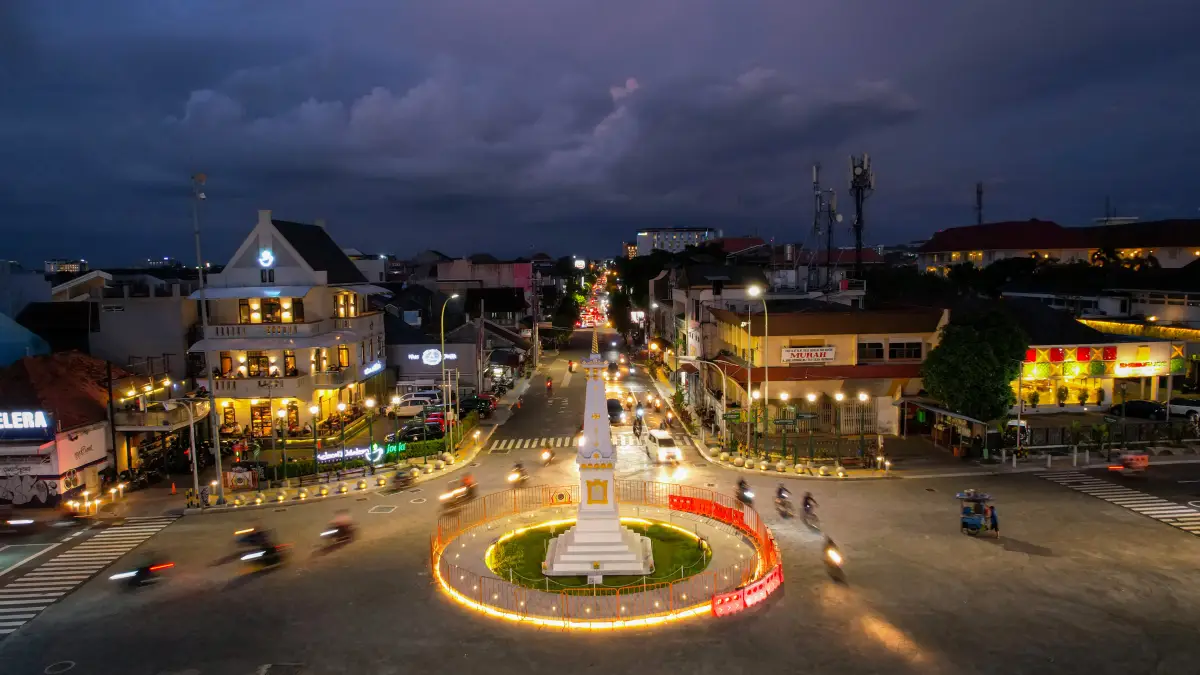
When the sun goes down, Yogyakarta does not slow down, it simply changes rhythm. The city that dazzles visitors with temples and royal heritage by day turns into a warm, buzzing playground once the streetlights flicker on. If you are wondering about things to do in Yogyakarta at night, the answer is refreshingly simple: there is something for every kind of traveler, from cultural performances to street food crawls and rooftop hangouts. This local guide walks you through the best ways to spend your evenings in Jogja, Java's most soulful city.
No visit to Yogyakarta is complete without a walk along Malioboro Street at night. Once the shops close their glass doors, the street shifts into lesehan mode: mats and low tables spread out along the sidewalks, and vendors serve nasi goreng, sate, and es teh under strings of warm lights. Street musicians play gamelan or angklung tunes for tips, batik sellers display their wares, and horse-drawn andong carriages clip-clop past shoppers.
Malioboro at night is at its liveliest between 6 PM and 11 PM, when the crowd swells with both locals and tourists. It is a great starting point for an evening out, and it connects easily to other nightlife spots nearby, including the area around Prawirotaman, another neighborhood worth exploring for its own laid-back evening cafés and guesthouses.
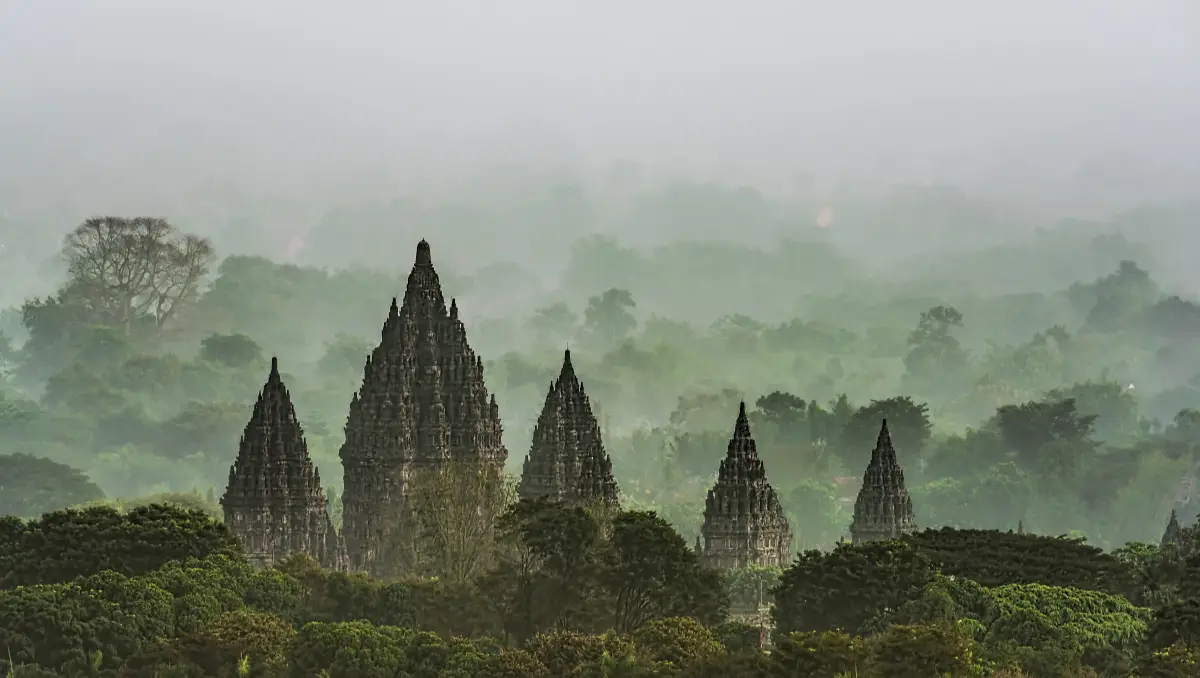
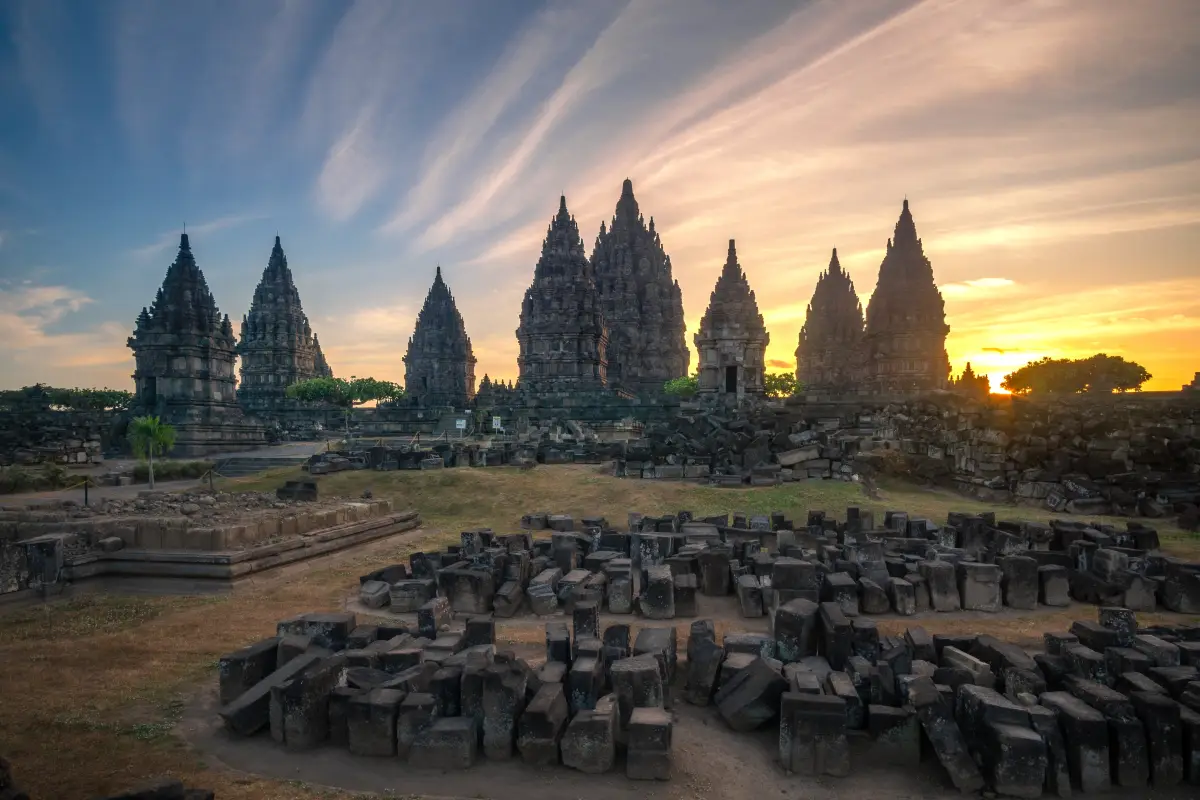
For a night that blends culture with spectacle, nothing beats the Ramayana Ballet Prambanan night show. Performed in an open-air theater with the floodlit silhouette of Prambanan's towering spires as a backdrop, this dance drama retells the epic love story of Rama and Sita through traditional Javanese choreography, gamelan music, and elaborate costumes. Watching the ancient temple glow against the night sky while dancers move gracefully across the stage is an unforgettable sensory experience.
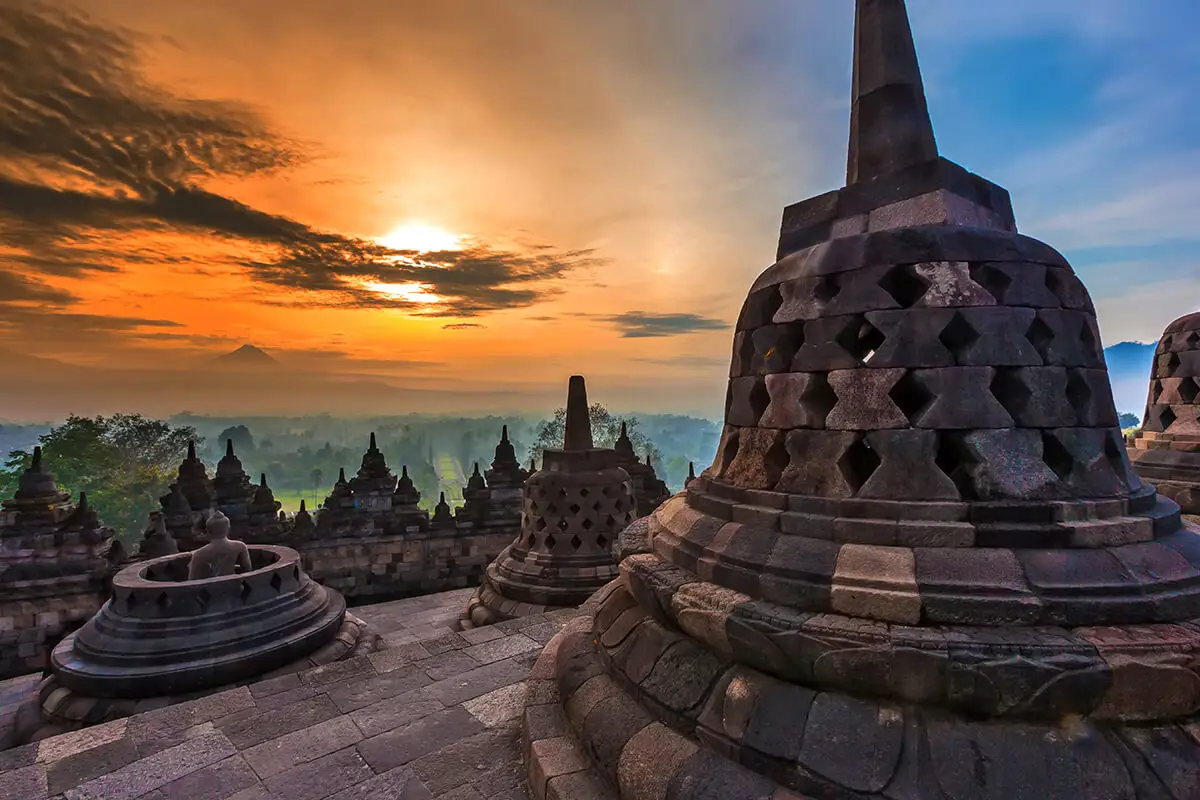
Performances are typically scheduled on select evenings, so it is worth checking the calendar ahead of your trip. If you would rather not deal with logistics, many guided itineraries already include transport and tickets as part of a broader temple experience, similar to the full-day exploration covered in the sunrise Borobudur and Prambanan tour, which can easily be paired with an evening performance for travelers staying a bit longer.
Alun-Alun Kidul at night is one of the most charming and slightly surreal experiences in the city. This southern square in front of the Kraton comes alive with quirky, LED-lit becaks (pedal rickshaws) and bicycles shaped like cars, hearts, and cartoon characters, all decked out in colorful lights. Renting one for a lap or two around the square is a favorite activity for families and couples alike.
Local legend also invites visitors to try walking blindfolded between the two banyan trees in the middle of the square, a tradition believed to reveal something about your inner character depending on whether you walk straight. Whether or not you believe the myth, it is a fun, laid-back way to spend an hour after dinner.
If there is one experience that captures the spirit of Yogyakarta nightlife, it is sitting at an angkringan. These humble food carts, usually lit by a single gas lamp, serve nasi kucing (small rice bundles wrapped in banana leaf), grilled skewers, fried tofu, and the city's beloved wedang ronde or hot ginger tea. Prices are famously low, and the low wooden benches encourage lingering conversation with strangers and locals alike.
Angkringan Yogyakarta culture is concentrated especially around Tugu Station and along the edges of Malioboro, where clusters of carts appear like clockwork after dusk. Grabbing a plastic stool here, even for just twenty minutes, is one of the most authentic ways to experience how Yogyakartans actually unwind after a long day.
For travelers curious about the deeper cultural roots behind these everyday rituals, our guide on where to experience Javanese traditions in Yogyakarta offers useful context on how food, music, and community intersect in daily Jogja life.
Beyond angkringan carts, Yogyakarta night market scenes offer another layer of after-dark fun. Areas like Beringharjo's night stalls and pop-up markets near Malioboro sell everything from bakpia pathok (sweet mung bean pastries) to grilled corn, martabak, and fresh fruit juices. Wandering through these markets is a sensory experience in itself: the sizzle of street grills, the calls of vendors, and the smell of clove cigarettes and roasted peanuts in the air.
These markets are also great for picking up affordable souvenirs like batik scarves, leather sandals, or handmade trinkets, often at better prices than daytime shops, since vendors are eager to make a last sale before packing up for the night.
Yogyakarta's nightlife is not only about street food and traditional performances, it also has a growing scene of rooftop cafés, acoustic music bars, and cozy lounges, especially around Jalan Prawirotaman and the university district near Jalan Affandi. Many venues feature local singer-songwriters, jazz combos, or indie bands performing live sets while you sip a coffee or cocktail under the stars.
These spots are perfect for travelers who want a slower, more relaxed evening after a day of temple hopping or cave tubing. Some rooftop cafés also offer views over the city lights, making them a nice contrast to the ground-level bustle of Malioboro or the night markets.
Yogyakarta is generally a very safe city to explore after dark, especially in central tourist areas. Still, a few practical habits make for a smoother night out:
If you are also planning onward travel, it helps to sort out logistics in advance. Guides like Yogyakarta to Bromo transport options and the Yogyakarta to Prambanan transport guide can save you time when mapping out your itinerary beyond the city center.
Yes, central areas like Malioboro, Alun-Alun Kidul and the main tourist streets are well lit and busy with locals and visitors well into the evening, making them generally safe for walking and street food hopping.
Malioboro is most vibrant from around 6 PM to 11 PM, when street vendors, lesehan food stalls and live gamelan or angklung musicians set up along the pedestrian-friendly stretch.
Ticket prices vary by seating class, but the open-air performance is usually held on select evenings and can be booked in advance or included as part of a guided Yogyakarta tour.
An angkringan is a traditional Javanese food cart serving rice bundles, skewers and sweet tea at low wooden benches; they are scattered throughout the city but concentrated near Tugu Station and Malioboro after dusk.
Yes, many travelers pair an evening in the city with sunrise temple visits the next morning, which is easy to arrange through multi-day itineraries covering Borobudur and Prambanan.
Ready to experience Yogyakarta's best nights and days in one seamless trip? Check out the Best of Yogyakarta Tour, 4 Days and let Ekaputra Tour handle the details while you soak in the temples, culture, and unforgettable evenings this city has to offer.