Main Navigation
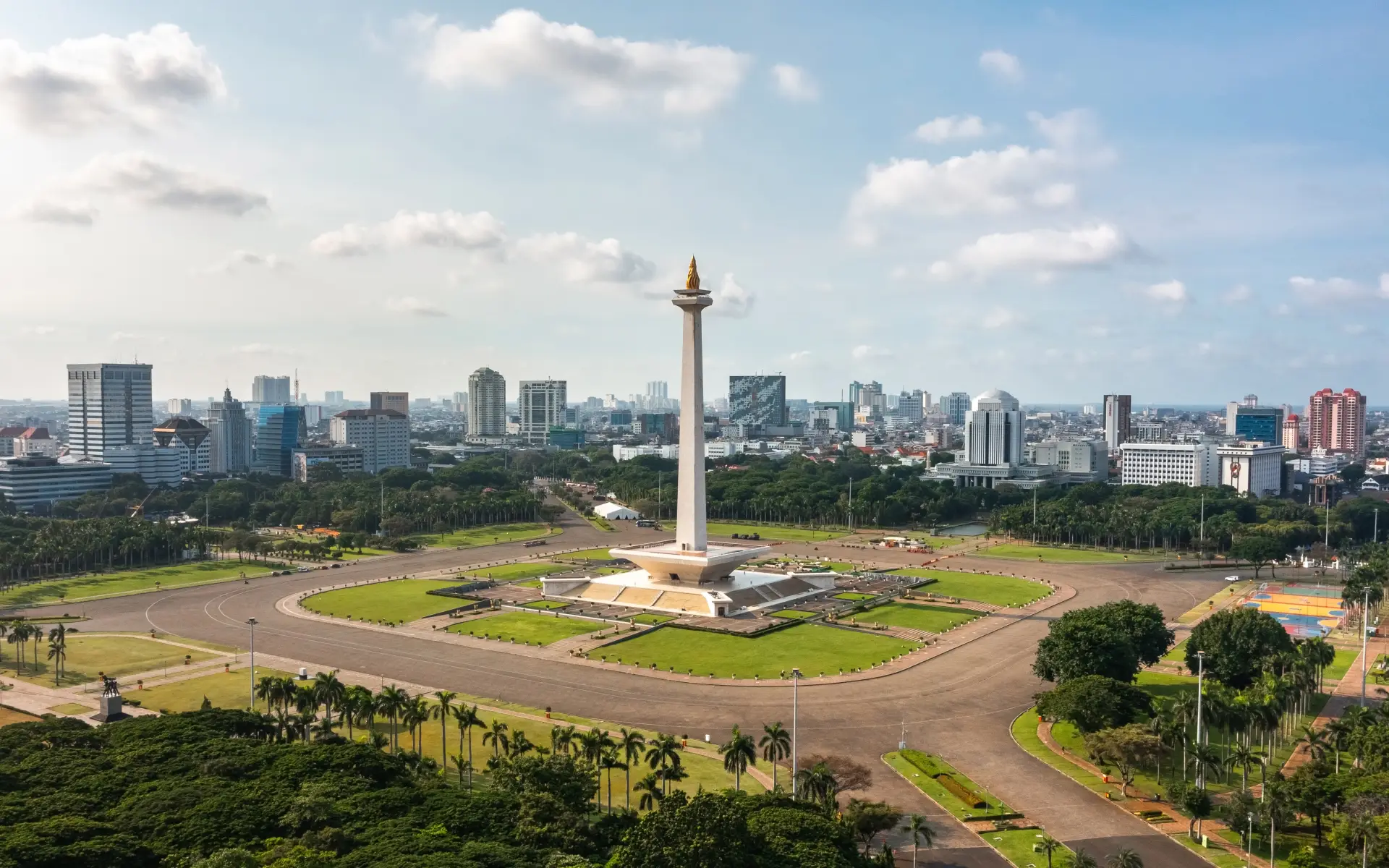
Ramadan transforms daily rhythms across Indonesia, and Jakarta and Yogyakarta are no exception. For travelers considering visiting Jakarta and Yogyakarta during Ramadan, understanding what changes and what stays the same makes all the difference between a confusing trip and a genuinely memorable one. This guide covers the practical details and cultural nuances so you can travel comfortably and respectfully during this special month.
Ramadan is the Islamic holy month of fasting, observed by the majority of Indonesia's population from dawn until sunset. Muslims abstain from food, drink, and smoking during daylight hours, then break the fast at iftar in the evening. For tourists, this doesn't mean attractions close or travel becomes difficult. It simply means the pace of life shifts: mornings can feel calmer, afternoons a little slower, and evenings noticeably livelier as families and communities gather to eat, pray, and socialize.
Jakarta remains a busy, functioning metropolis throughout Ramadan. Offices, shopping malls, and government services largely operate on normal or slightly adjusted schedules. Traffic patterns can shift, with a noticeable rush in the late afternoon as commuters hurry home before sunset to break their fast with family. Many street-food stalls that are quiet by day burst into action come dusk, selling takjil (sweet snacks for breaking the fast) to eager crowds.
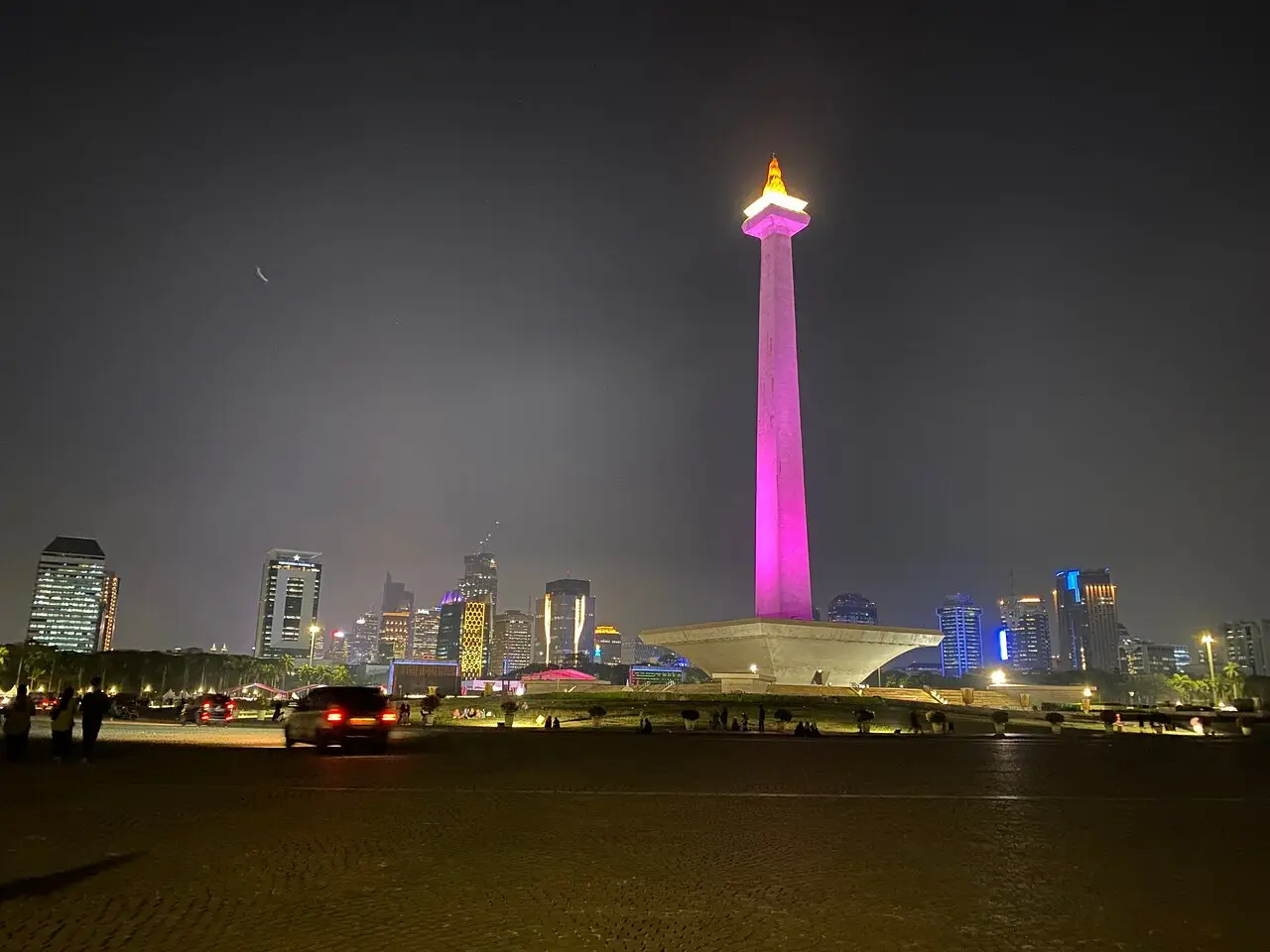
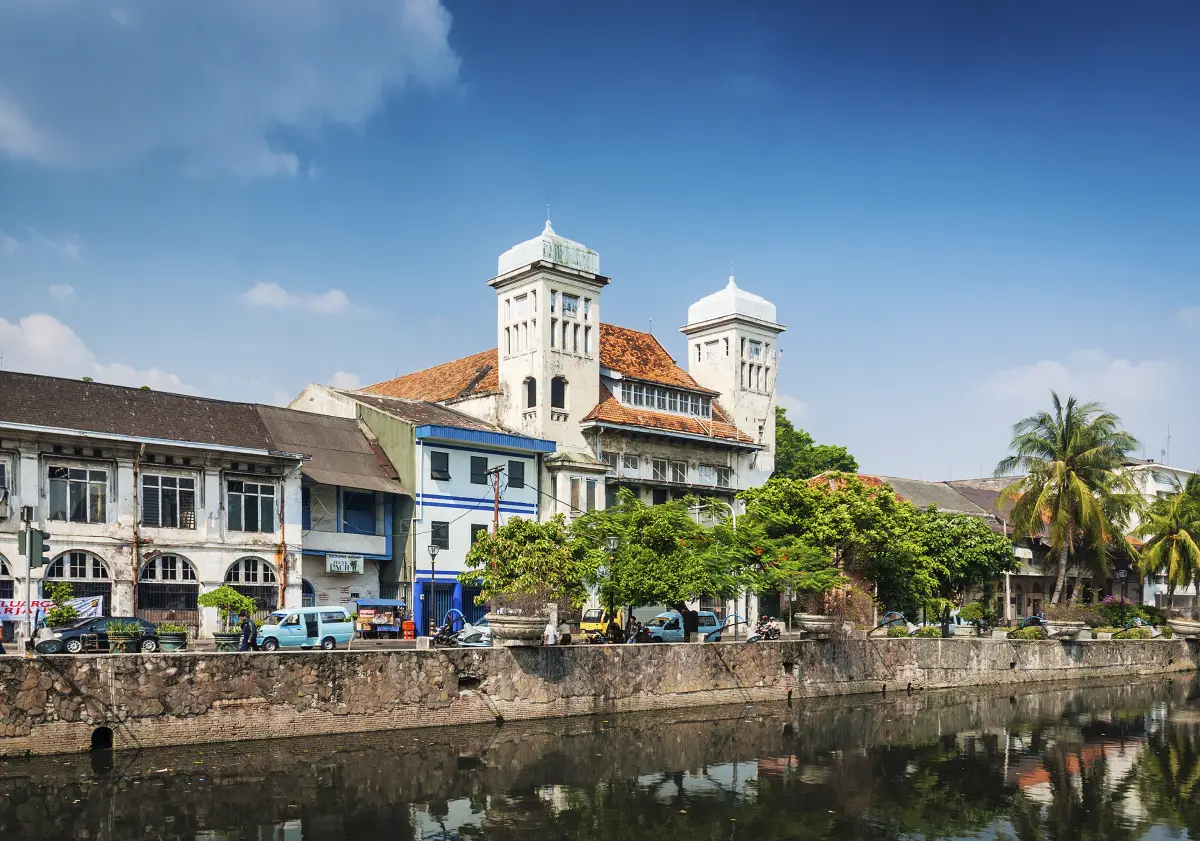
If you're short on time, a guided half-day tour of Jakarta's landmarks is a smart way to see Monas and the old colonial district without navigating the city solo during the pre-iftar rush hour. Evenings, meanwhile, are ideal for exploring the capital's after-dark energy, since the city truly wakes up once the fast is broken.
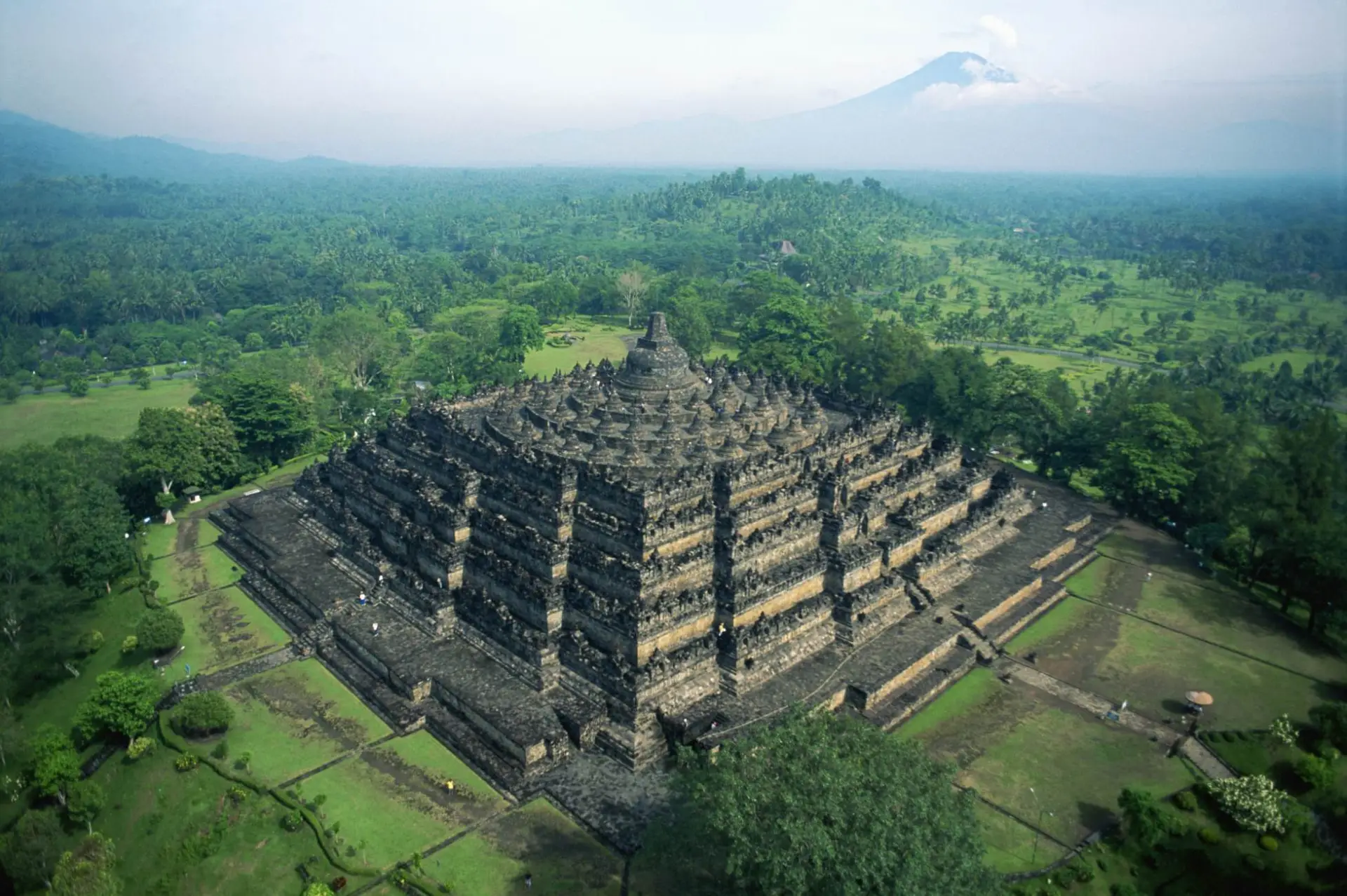
Yogyakarta carries a slower, more traditional pace even outside Ramadan, and the fasting month deepens that character. Borobudur and Prambanan remain open to visitors, and mornings are often pleasantly uncrowded. Local markets and batik workshops continue as usual, though some warungs (small eateries) may close during the day and reopen for the evening rush.
Yogyakarta's kampung neighborhoods often host communal iftar gatherings, and the sound of the maghrib call to prayer signaling the fast's end is a moving experience to witness firsthand. Travelers combining both cities might find it useful to review a 7-10 day Jakarta and Yogyakarta itinerary to plan how Ramadan's rhythms fit around temple visits, cultural stops, and travel days.
Non-Muslim visitors are not expected to fast, and tourist-facing restaurants continue serving throughout the day. That said, many local eateries draw curtains or cover their windows as a sign of respect toward those who are fasting. It's a thoughtful gesture to eat inside a restaurant rather than snacking openly while walking through crowded streets or markets, especially in more traditional neighborhoods.
Hotels catering to tourists typically serve breakfast and meals without interruption, so you won't struggle to find food. The key is simply being mindful of your surroundings and choosing discretion over convenience when in doubt.
Ramadan doesn't require a dramatically different wardrobe from what's already recommended for Indonesia: modest, breathable clothing that covers shoulders and knees works well, particularly near mosques and religious sites. Sleeveless tops and short shorts are best reserved for hotel pools or private spaces. Female travelers exploring temples, mosques, or conservative neighborhoods may want to carry a light scarf, and solo travelers can find more detailed guidance in this solo female travel safety guide for Jakarta and Yogyakarta.
Some of the most rewarding cultural moments happen precisely because of Ramadan. Iftar bazaars pop up in both cities, offering an enormous variety of sweet and savory snacks meant to break the fast. Istiqlal Mosque in Jakarta, Southeast Asia's largest mosque, is especially worth visiting during this period for its heightened sense of community and evening prayer gatherings.
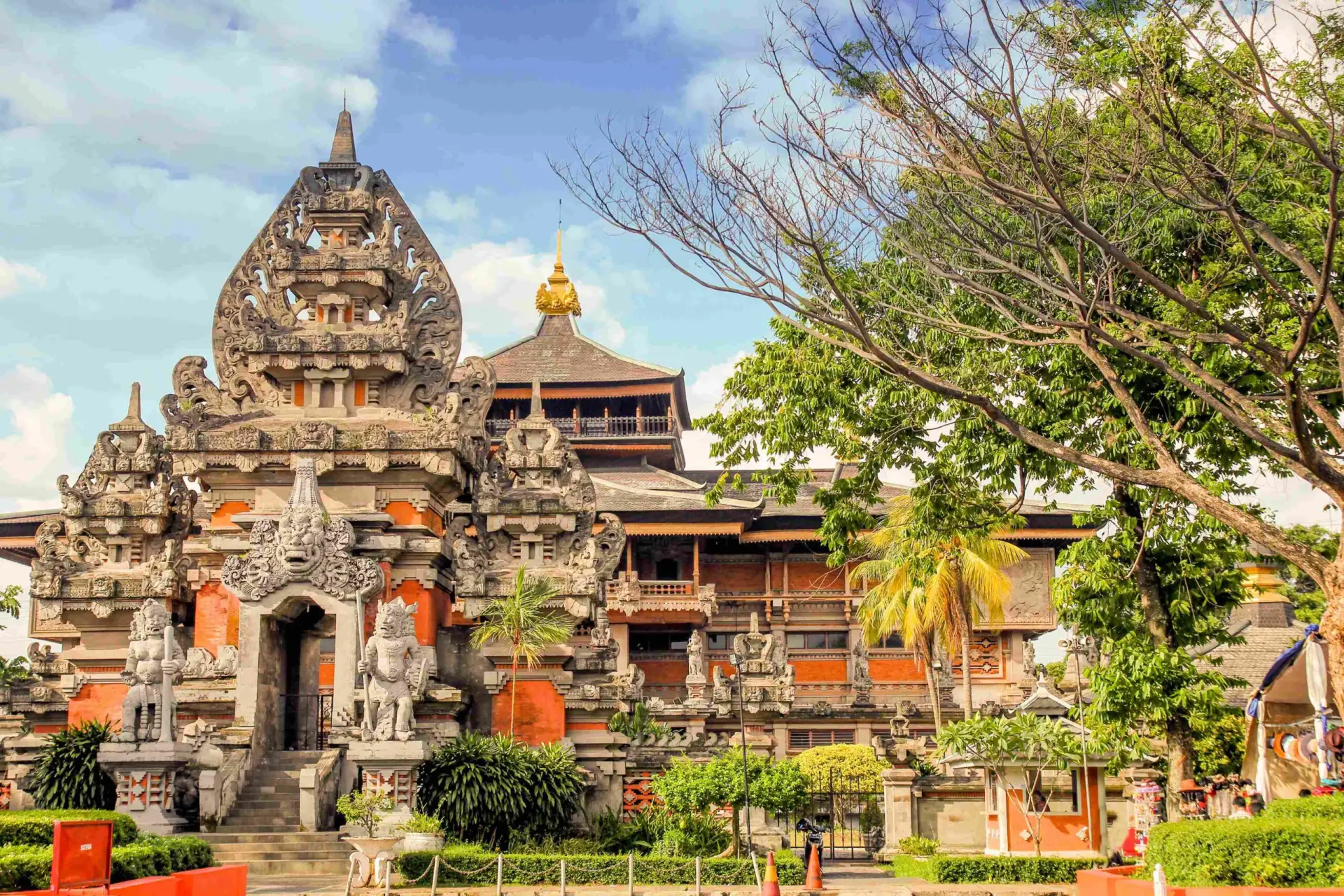
A Jakarta night tour is particularly well-suited to Ramadan travel, since it's timed for when the city's energy peaks after sunset. Meanwhile, a half-day visit to Taman Mini Indonesia Indah offers a broader look at Indonesia's cultural diversity, a fitting theme during a month centered on community and togetherness.
Eid al-Fitr, marking the end of Ramadan, triggers one of the largest domestic travel movements in the world as Indonesians return to their hometowns for the holiday, a tradition known as mudik. In the days surrounding Eid, expect packed airports, train stations, and highways, along with some shops and attractions closing for one or two days. Hotel rates in Yogyakarta especially can spike due to domestic tourism surges right after the holiday.
Many experienced travelers choose to visit just before or well after this narrow window to avoid the congestion while still enjoying Ramadan's festive lead-up.
Book accommodations and transport early if your trip falls near Eid al-Fitr, since demand rises sharply. Keep a flexible daytime schedule, since some smaller local businesses may open later or close earlier than usual. Carry water and snacks for your own comfort but consume them discreetly in public. If you're curious about combining a Ramadan visit with deeper cultural detours, consider pairing your trip with a Baduy tribe village trek from Jakarta, or read more about what to expect visiting the Baduy tribe before you go.
Finally, if you're still deciding where to start your journey, this comparison of Yogyakarta versus Jakarta as a first stop can help you sequence your Ramadan itinerary more comfortably.
Yes, most restaurants, cafes, and malls stay open throughout the day, though some cover their windows or curtains out of respect until the fast is broken at sunset. Tourist areas and hotels operate normally.
It's not prohibited for non-Muslims, but eating discreetly in public spaces or inside restaurants rather than while walking on the street is appreciated as a courtesy.
Major attractions in Jakarta and Yogyakarta, including museums, parks, and cultural sites, generally remain open, though some may adjust hours slightly around Friday prayers or close a bit earlier.
The final week before Eid al-Fitr brings vibrant night markets, iftar bazaars, and a festive atmosphere, making it a rewarding time to experience local culture, though it's busier for travel bookings.
Eid al-Fitr triggers a massive domestic travel rush across Indonesia, so expect crowded transport, closed shops for a day or two, and higher hotel prices. Many tourists prefer visiting just before or after this period.
Standard modest travel clothing is fine; sleeveless tops or short shorts are best avoided at religious sites, but overall dress expectations don't change dramatically for tourists during Ramadan.
Ready to experience Jakarta's Ramadan evenings firsthand? Book the Jakarta Night Tour with Ekaputra Tour and let a friendly local guide show you the city's most atmospheric after-dark spots during this special month.