Navigasi Utama
Indonesia merupakan negara yang dikenal dengan keanekaragaman budayanya yang luar biasa.
Dengan lebih dari 17.000 pulau dan ratusan kelompok etnis, tidak mengherankan bahwa arsitektur tradisional sangat bervariasi dari satu daerah ke daerah lain.
Di antara kekayaan budaya paling memukau di negeri ini adalah rumah-rumah tradisionalnya, yang dikenal sebagai rumah adat.
Jauh lebih dari sekadar tempat tinggal, rumah adat mencerminkan sejarah, kepercayaan, lingkungan, dan nilai-nilai sosial masyarakat yang membangunnya.
Bagi wisatawan yang berkunjung ke Indonesia, mempelajari landmark arsitektur ini dapat memberikan pemahaman yang lebih dalam tentang warisan budaya yang kaya di negara ini.
Baik ditemukan di desa-desa terpencil, situs budaya, maupun museum, rumah adat mengungkapkan kisah-kisah yang telah dilestarikan selama beberapa generasi.
Rumah adat memainkan peran penting dalam melestarikan identitas budaya Indonesia.
Bagi banyak komunitas, struktur ini berfungsi sebagai simbol leluhur, organisasi sosial, dan tradisi lokal yang terus memengaruhi kehidupan sehari-hari.
Desain setiap rumah sering kali dibentuk oleh lingkungan sekitarnya. Masyarakat yang tinggal di daerah pesisir, pegunungan, hutan, atau wilayah rawan banjir mengembangkan solusi arsitektur yang sesuai dengan kondisi spesifik mereka.
Hasilnya, rumah adat merupakan contoh luar biasa tentang bagaimana budaya dan alam bekerja bersama.
Banyak rumah juga memiliki fungsi seremonial dan sosial. Rumah-rumah tersebut dapat menjadi tempat berkumpulnya keluarga, diskusi komunitas, kegiatan keagamaan, atau perayaan budaya penting.
Meskipun bangunan modern semakin umum, rumah adat tetap menjadi pengingat berharga akan warisan Indonesia yang beragam.
Wisatawan yang menjelajahi Indonesia akan menemukan beragam rumah adat yang luar biasa. Masing-masing menampilkan gaya arsitektur dan pengaruh budaya yang unik, mencerminkan daerah asalnya.
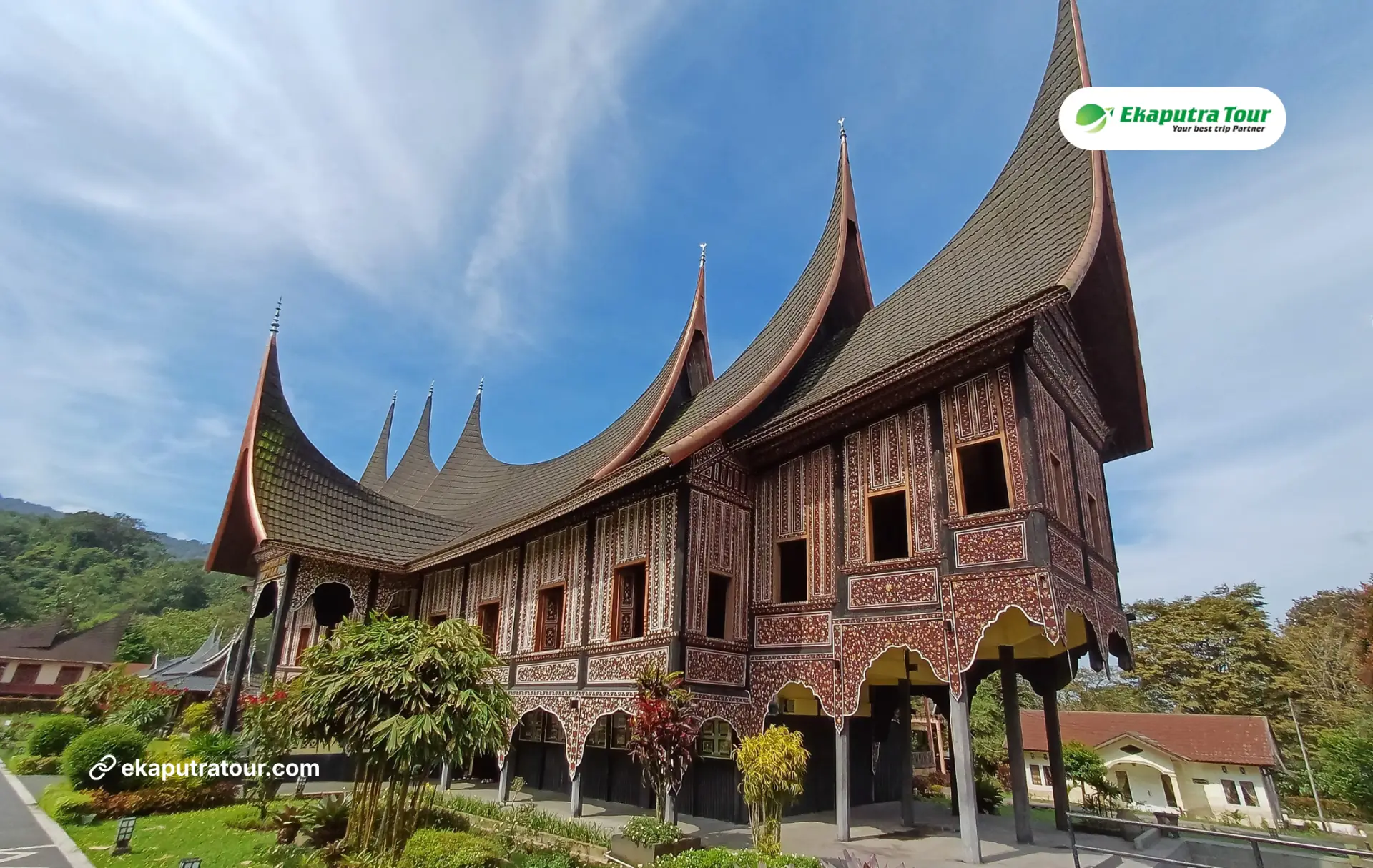
Rumah Gadang adalah rumah tradisional masyarakat Minangkabau di Sumatera Barat.
Ciri paling khasnya adalah atap dramatis yang melengkung ke atas seperti tanduk kerbau, menciptakan salah satu siluet arsitektur paling dikenal di Indonesia.

Secara tradisional, Rumah Gadang berfungsi sebagai rumah komunal bagi keluarga besar.
Struktur yang luas mencerminkan ikatan keluarga yang kuat, yang menjadi pusat budaya Minangkabau.
Di luar daya tarik visualnya, setiap elemen bangunan mengandung makna simbolis yang terkait dengan adat dan tradisi setempat.
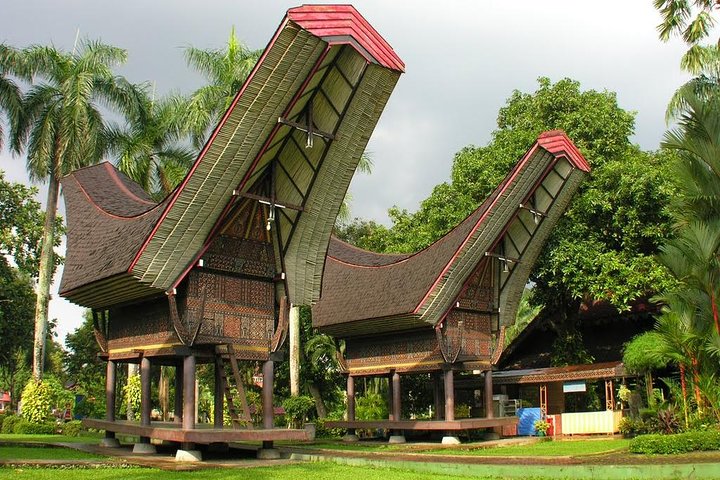
Di Sulawesi Selatan, masyarakat Toraja dikenal dengan Tongkonan, rumah tradisional dengan atap melengkung besar yang menyerupai perahu.
Tongkonan memiliki makna budaya yang mendalam dan sering dikaitkan dengan garis keturunan keluarga serta status sosial.

Rumah-rumah ini memainkan peran penting selama upacara dan pertemuan komunitas, menjadikannya lebih dari sekadar bangunan tempat tinggal.
Pengunjung Tana Toraja sering menganggap pemandangan beberapa rumah Tongkonan yang berdiri bersama sebagai salah satu pengalaman budaya paling mengesankan di Indonesia.
Joglo adalah salah satu bentuk arsitektur tradisional Jawa yang paling elegan.
Bercirikan tata ruang yang luas dan atap khas yang ditopang oleh pilar-pilar tengah yang kuat, secara historis Joglo dikaitkan dengan keluarga bangsawan dan anggota masyarakat yang dihormati.

Saat ini, banyak bangunan Joglo masih dapat ditemukan di seluruh Jawa Tengah dan Yogyakarta.
Beberapa telah dilestarikan sebagai landmark budaya, sementara yang lain telah diadaptasi menjadi museum, hotel, dan restoran yang memungkinkan pengunjung menghargai keindahannya yang tak lekang oleh waktu.
Tidak seperti banyak rumah tradisional di tempat lain di Indonesia, rumah-rumah Bali biasanya ditata sebagai kumpulan bangunan terpisah dalam satu pekarangan keluarga bersama.
Struktur-struktur ini umumnya disebut Bale.

Tata letaknya mengikuti prinsip-prinsip yang berakar pada filosofi Hindu Bali, menekankan keselarasan antara manusia, alam, dan spiritualitas.
Desain terbuka, ventilasi alami, dan ruang yang diatur dengan cermat menciptakan lingkungan hidup yang terasa fungsional sekaligus sangat terkait dengan keyakinan budaya.
Honai adalah rumah tradisional yang ditemukan di dataran tinggi Papua. Bentuknya yang melingkar dan atap jerami yang tebal membuatnya sangat khas dibandingkan rumah Indonesia lainnya.
Dirancang untuk menahan panas di iklim pegunungan yang sejuk, Honai menunjukkan bagaimana masyarakat adat menyesuaikan arsitektur mereka dengan kondisi lingkungan setempat.

Terlepas dari penampilannya yang relatif sederhana, struktur ini melambangkan pengetahuan praktis dan keterampilan kerajinan lintas generasi.
Meskipun rumah adat berbeda dari satu daerah ke daerah lain, beberapa karakteristik arsitektur muncul di seluruh Indonesia dan mengungkapkan bagaimana masyarakat beradaptasi dengan lingkungan sekitar mereka.
Banyak rumah tradisional Indonesia dibangun di atas tiang atau panggung.
Desain ini membantu melindungi struktur dari banjir, meningkatkan sirkulasi udara, serta mengurangi paparan terhadap hewan dan kelembapan tanah.

Bagi wisatawan, struktur panggung ini memberikan contoh menarik tentang bagaimana arsitektur dapat merespons tantangan lingkungan tropis namun tetap praktis dan nyaman.
Rumah tradisional sering kali dibangun menggunakan bahan-bahan yang tersedia secara lokal di lanskap sekitarnya.
Kayu, bambu, serat palem, dan jerami termasuk di antara bahan bangunan yang paling umum digunakan.

Sumber daya alami ini memungkinkan rumah-rumah menyatu secara harmonis dengan lingkungannya, sekaligus menampilkan teknik konstruksi berkelanjutan yang telah disempurnakan selama berabad-abad.
Keterampilan yang terlibat dalam merakit material ini sering kali sama mengesankannya dengan hasil akhir struktur itu sendiri.
Banyak rumah tradisional menampilkan ukiran detail, motif lukis, dan ornamen dekoratif.
Unsur artistik ini tidak hanya sekadar hiasan, tetapi sering kali mengandung makna simbolis yang terkait dengan kepercayaan, status sosial, legenda lokal, atau tradisi leluhur.

Meluangkan waktu untuk mengamati detail-detail ini dapat membantu wisatawan lebih memahami nilai-nilai budaya dan cerita yang tertanam dalam setiap struktur.
Tidak semua wisatawan memiliki kesempatan untuk mengunjungi banyak pulau di Indonesia. Untungnya, satu destinasi di Jakarta menawarkan pengenalan yang mudah tentang keragaman arsitektur negeri ini.
Taman Mini Indonesia Indah, yang sering disebut TMII, menampilkan anjungan-anjungan yang mewakili provinsi-provinsi dari seluruh nusantara.
Banyak anjungan ini menampilkan rumah adat yang terinspirasi dari desain asli daerah, memungkinkan pengunjung menjelajahi warisan budaya Indonesia dalam satu lokasi.

Kunjungan ke TMII memberikan kesempatan untuk membandingkan gaya arsitektur dari berbagai daerah secara berdampingan.
Bagi pengunjung yang baru pertama kali ke Indonesia, TMII berfungsi sebagai pengantar yang sangat baik untuk keragaman budaya yang luar biasa. TMII menyediakan konteks berharga yang dapat memperkaya perjalanan selanjutnya ke destinasi-destinasi di seluruh nusantara.
Rumah adat lebih dari sekadar landmark arsitektur. Mereka adalah ekspresi hidup dari budaya, tradisi, dan sejarah yang telah membentuk Indonesia selama berabad-abad.
Bersama Ekaputra Tour, wisatawan dapat menjelajahi Indonesia melampaui atraksi terkenalnya dan mendapatkan apresiasi yang lebih dalam terhadap warisan budaya negeri ini.
Baik mengunjungi situs bersejarah, landmark budaya, atau destinasi yang menampilkan arsitektur tradisional, setiap perjalanan menjadi kesempatan untuk terhubung dengan beragam komunitas yang menjadikan Indonesia tempat yang begitu menarik untuk dijelajahi.
Memahami rumah adat menambah makna pada pengalaman tersebut, mengubah sekadar perjalanan wisata biasa menjadi petualangan budaya yang lebih kaya.