メインナビゲーション
Bandung does not feel like a typical Indonesian city. The air is cooler, the pace is softer, and the local identity is proudly Sundanese. This is the heart of West Java, where bamboo music, wooden puppets, spicy sambal, and welcoming village traditions have shaped everyday life for centuries. For travelers who want more than factory outlets and crater views, exploring Sundanese culture in Bandung is the most rewarding way to understand the region.
Getting to Bandung from the capital is straightforward, and if you want to arrive relaxed and ready to explore, the Jakarta to Bandung by train is a comfortable and scenic option. Once you are here, the cultural highlights are spread across the city and the surrounding highlands, so a bit of planning goes a long way.
Sundanese culture is the dominant cultural identity of West Java, and Bandung is its urban heart. Unlike the courtly Javanese traditions of Yogyakarta and Solo, Sundanese heritage leans more toward village wisdom, agricultural rhythms, and a close relationship with nature. You will hear it in the soft, melodic sound of the Sundanese language, see it in the steeply pitched roofs of traditional houses, and taste it in meals that celebrate fresh vegetables, grilled fish, and fiery sambal.
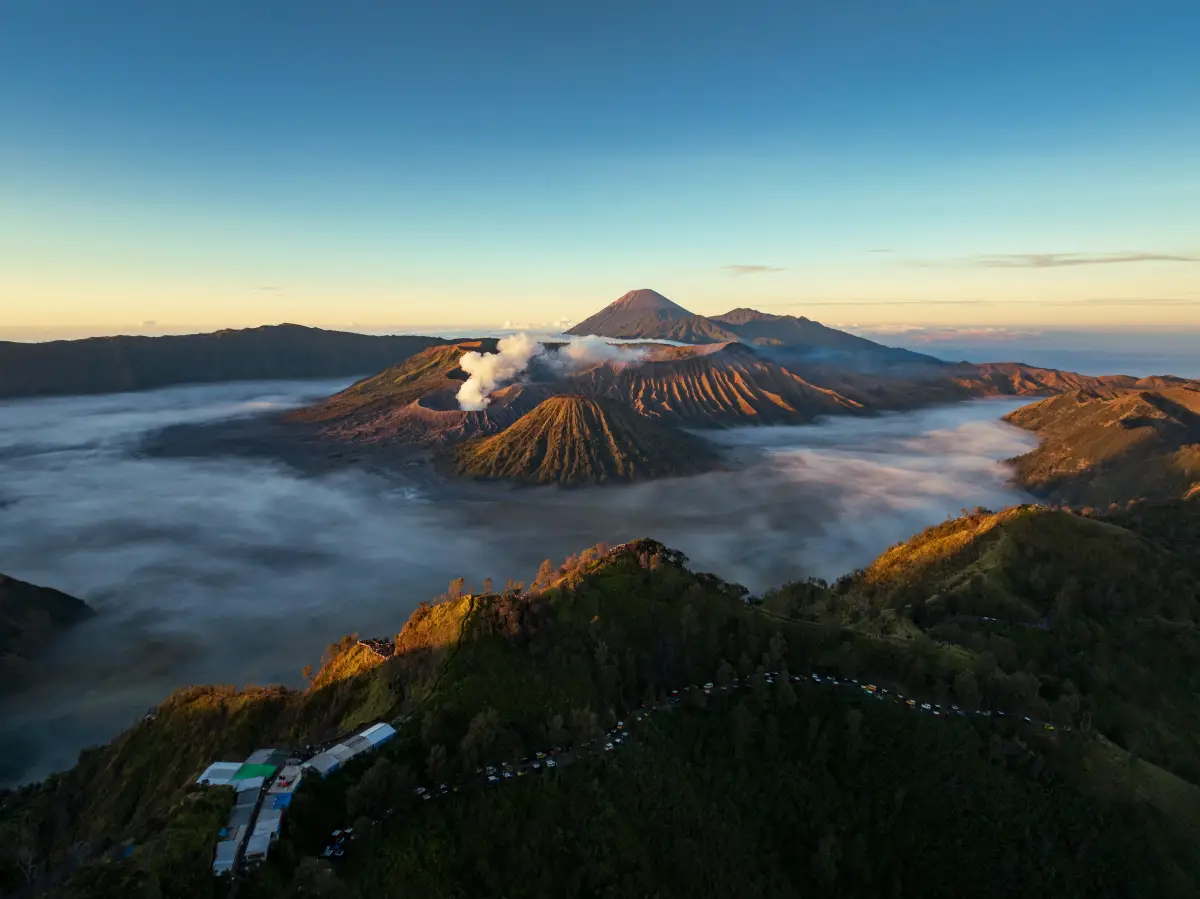
For centuries, Sundanese society was organized around wet-rice cultivation and the cycles of the volcano-rich landscape. That connection to the land still shows up in rituals, music, and the warm, unhurried hospitality of the people. When you visit Bandung, you are not just seeing a city, you are stepping into the modern expression of one of Indonesia's most distinctive ethnic groups.
No cultural trip to Bandung is complete without a visit to Saung Angklung Udjo. This family-run cultural workshop in the eastern part of the city has spent decades preserving and sharing the angklung, a traditional bamboo instrument that produces a gentle, resonant tone when shaken. The venue runs daily interactive performances, and they are anything but a passive show.
During a typical session, visitors watch skilled musicians and dancers perform Sundanese songs, mask dances, and the famous angklung orchestra. Then the audience is handed an angklung and taught to play a simple melody together, guided by hand signals. It is joyful, slightly chaotic, and completely memorable. If you want to hear Sundanese traditional dance in Bandung in an authentic setting, Saung Angklung Udjo is the best place to start.
To see how Sundanese people lived before concrete and traffic, head out of the city to one of the traditional villages that still practice old ways. Kampung Naga is the most famous. Tucked into a valley near Tasikmalaya, a few hours from Bandung, this community maintains its original bamboo and wood houses, follows strict customary rules, and welcomes respectful visitors. You will see rice barns, stone paths, and villagers going about their daily work without the distractions of modern life.
Another option is Kampung Adat Cirendeu, closer to the city and known for its commitment to food sovereignty and traditional Sundanese values. Both villages offer a rare chance to witness Sundanese culture in Bandung beyond the performance stage. The journey is part of the experience, and rural West Java landscapes make the drive worthwhile.
Bandung has several museums that put Sundanese heritage into context. The Museum Sri Baduga in the city center is a strong starting point. Its collection includes traditional textiles, musical instruments, wayang golek puppets, and archaeological finds from across West Java. The displays are informative without being overwhelming, and the building itself is a quiet escape from the city buzz.
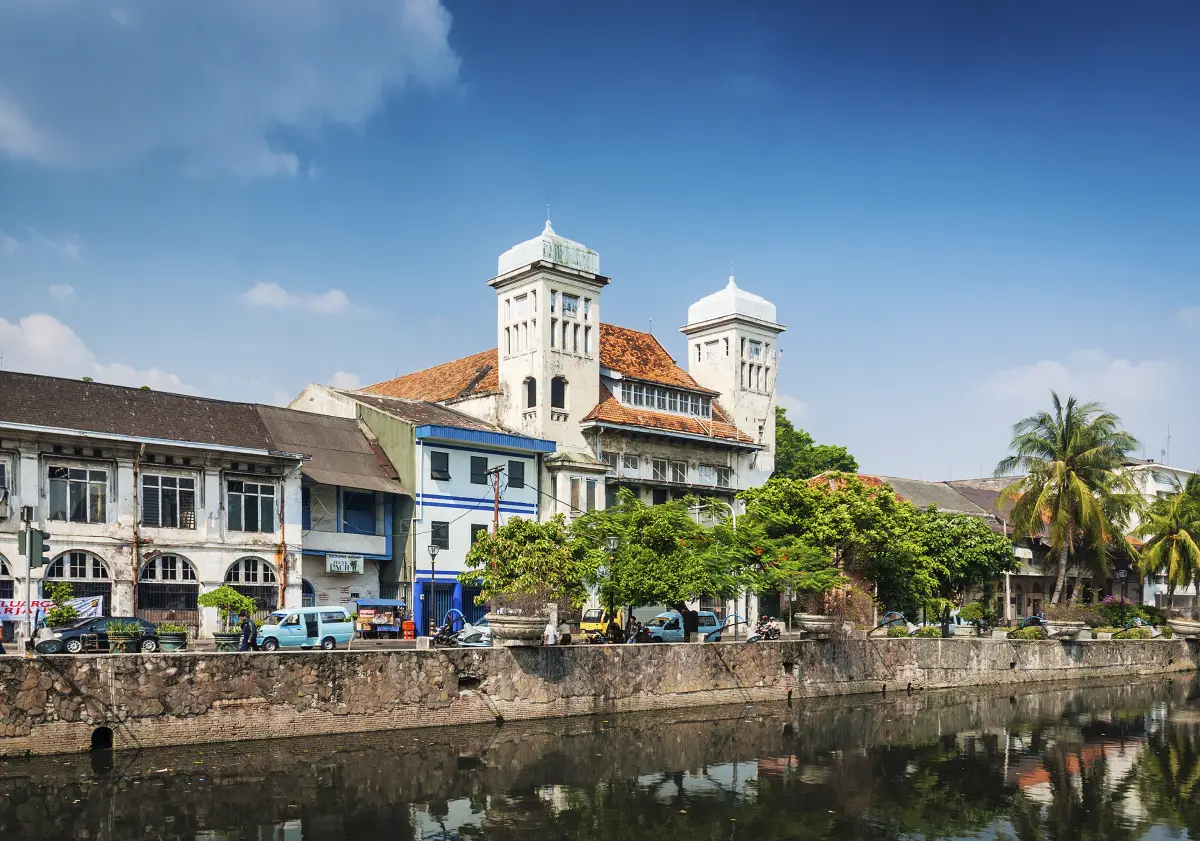
For a more hands-on perspective, look for cultural centers and private galleries in the Braga area that sometimes host batik workshops or short performances. If you are already exploring the historic district, a walking guide to Braga Bandung can help you pair colonial-era architecture with these smaller cultural stops. Museums are also a good backup plan if rain interrupts your outdoor itinerary.
Food is one of the easiest ways to experience Sundanese culture in Bandung, and the local dining style is wonderfully unpretentious. Sundanese restaurants, often called warung or saung, serve meals on banana leaves with piles of raw and blanched vegetables known as lalapan, fresh sambal, and grilled or fried protein. You eat with your hands, and that tactile connection is part of the pleasure.
Start with nasi timbel, fragrant rice wrapped in banana leaf and served warm alongside fried chicken, salted fish, or tofu and tempeh. Karedok is a raw vegetable salad dressed in peanut sauce, lighter and crunchier than its cooked cousin gado-gado. Grilled carp or gourami with sambal and a squeeze of lime is a classic Sundanese main. Do not leave without trying at least one of these Sundanese food Bandung staples, preferably at a restaurant with a view of rice fields or tea plantations.
Sundanese performance arts are alive, but they are not always on a fixed tourist schedule. Wayang golek, the three-dimensional wooden rod puppet theater of West Java, is a highlight if you can catch a show. Performances combine carved puppets, gamelan music, humor, and epic stories from the Ramayana and Mahabharata. Check with cultural centers, local universities, or your hotel concierge for scheduled performances during your visit.
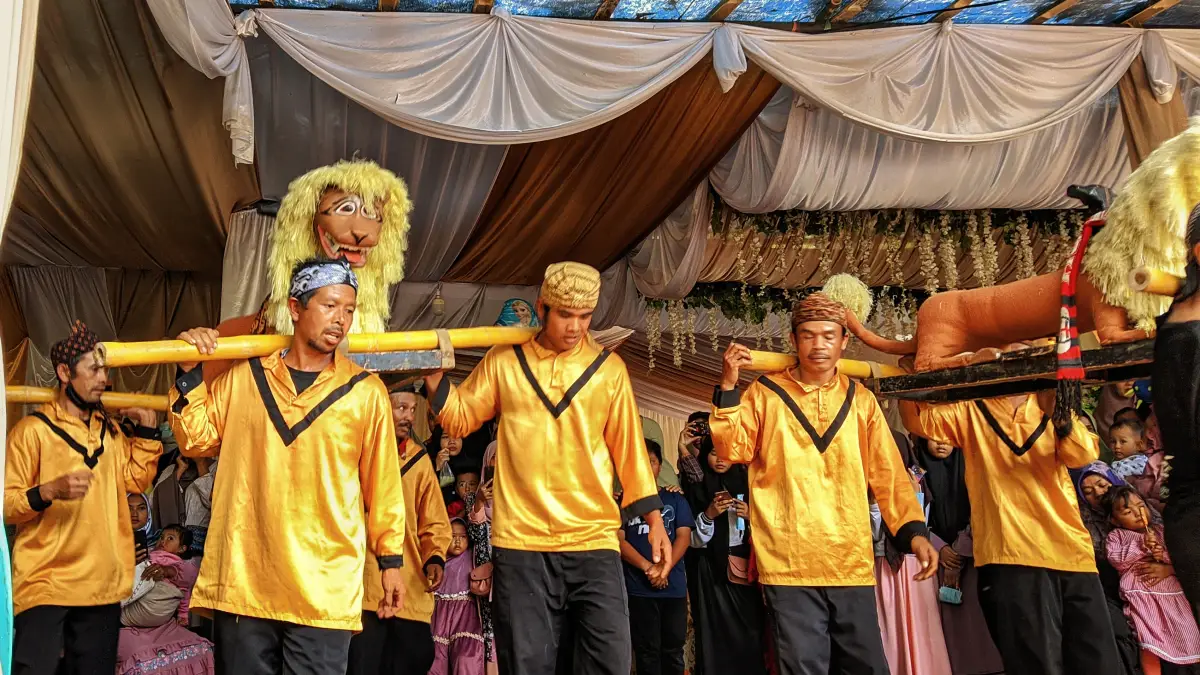
Batik in West Java has its own character, often featuring bolder, more organic motifs than the intricate court patterns of Central Java. You can see examples in museums or buy pieces from artisan shops around Bandung. Sundanese traditional dance, with its graceful hand movements and flowing costumes, is regularly performed at Saung Angklung Udjo and at cultural events. If you are interested in deeper immersion, ask about short workshops where you can try the basic movements yourself.
A little planning makes cultural exploration much smoother. Bandung traffic can be heavy, so cluster your visits by area and leave buffer time. Public transport is improving, and the Bandung public transport guide for tourists is a useful starting point if you want to avoid ride-hailing for every trip. For villages and volcano views, however, a private car or guided tour is far more convenient.
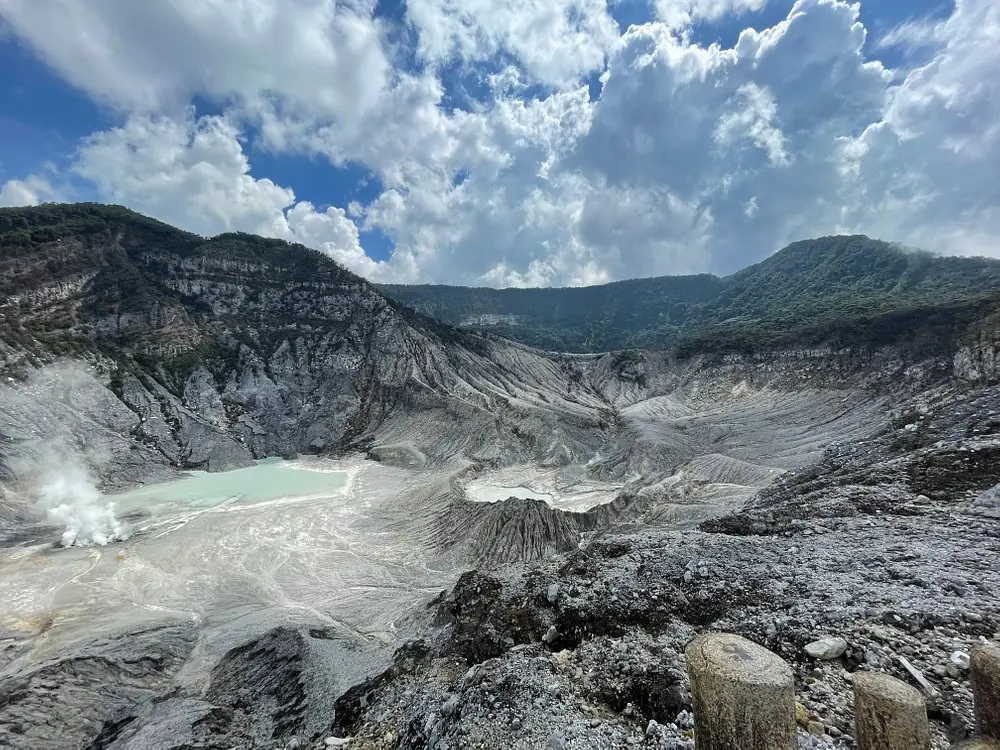
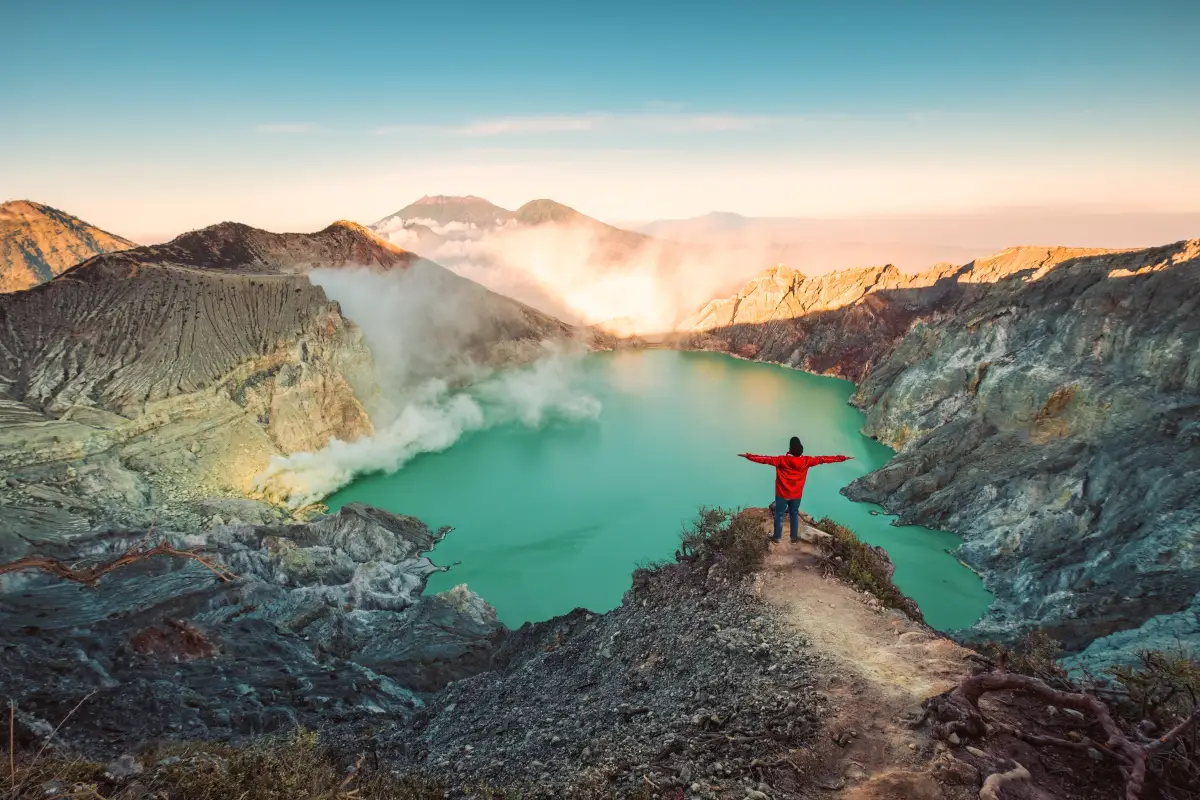
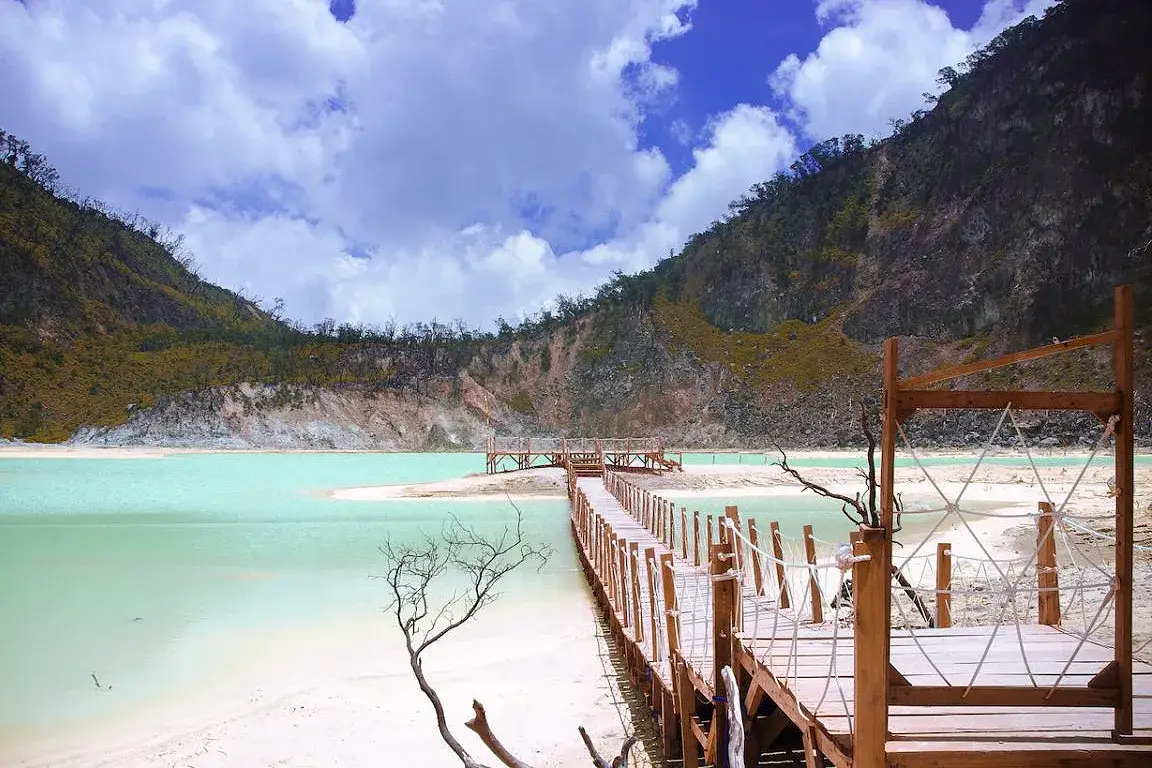
Dress respectfully when visiting villages or religious sites, and always ask before taking photos of people. Learn a few words of Sundanese, such as 'hatur nuhun' for thank you, and you will be met with warm smiles. Finally, pair cultural stops with natural ones. A multi-day itinerary that includes Bandung's tea plantations, volcanoes, and hot springs gives you a fuller picture of the land that shaped Sundanese traditions.
Saung Angklung Udjo is the most popular venue, offering daily interactive shows where visitors can watch and even play the bamboo angklung alongside performers.
Yes, villages such as Kampung Naga and Kampung Adat Cirendeu, located a few hours from Bandung, preserve traditional Sundanese houses, customs, and farming practices.
Try nasi timbel, karedok, and grilled fish served with sambal and fresh lalapan vegetables, typically eaten with hands on a banana leaf at traditional Sundanese restaurants.
Yes, wayang golek puppet shows are still performed at cultural centers and during special events, though schedules vary, so it's best to check local cultural venues in advance.
Yes, several multi-day itineraries from Jakarta to Bandung include stops at cultural attractions alongside natural sights like volcanoes and tea plantations.
Ready to experience Sundanese culture in Bandung for yourself? Book one of Ekaputra Tour's multi-day journeys from Jakarta to Bandung, where you can pair angklung performances, village visits, and authentic Sundanese meals with the highland scenery that makes West Java unforgettable.