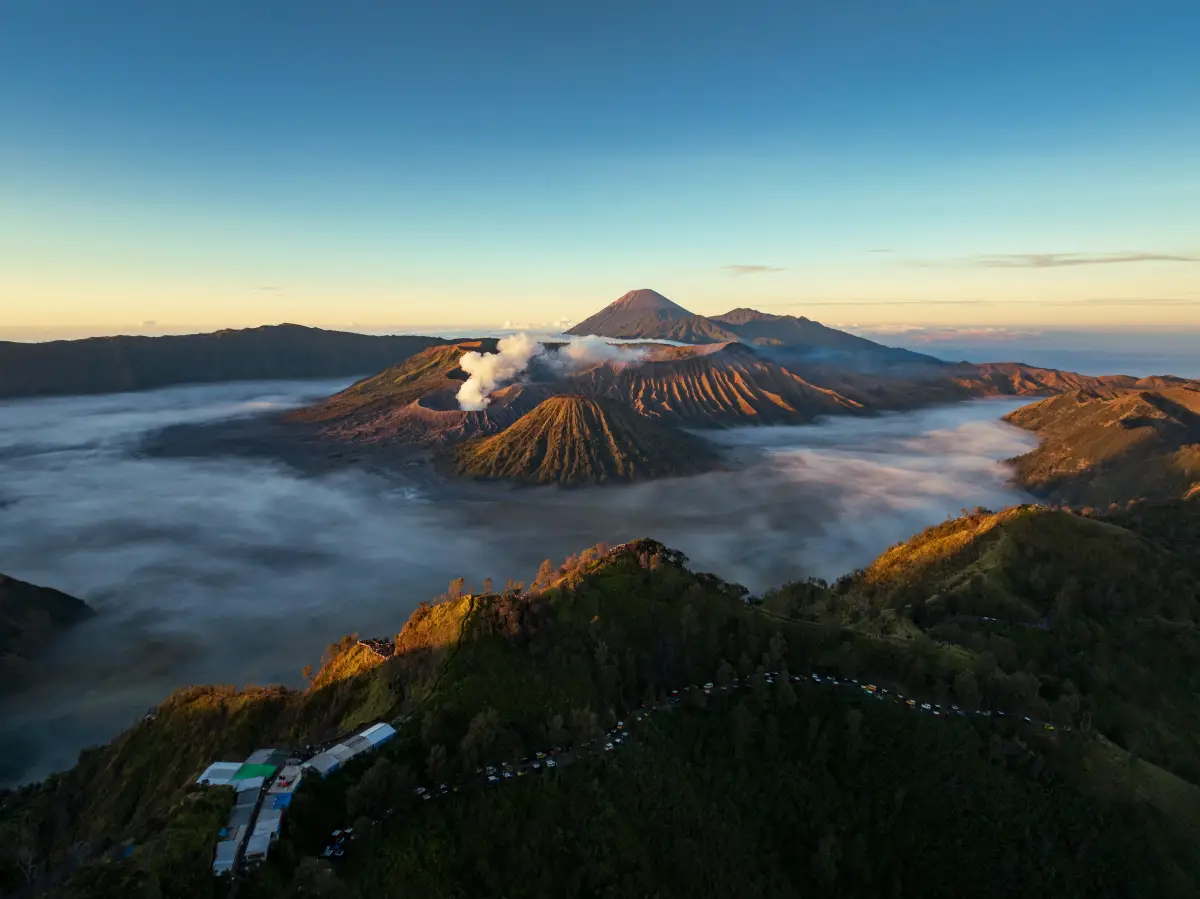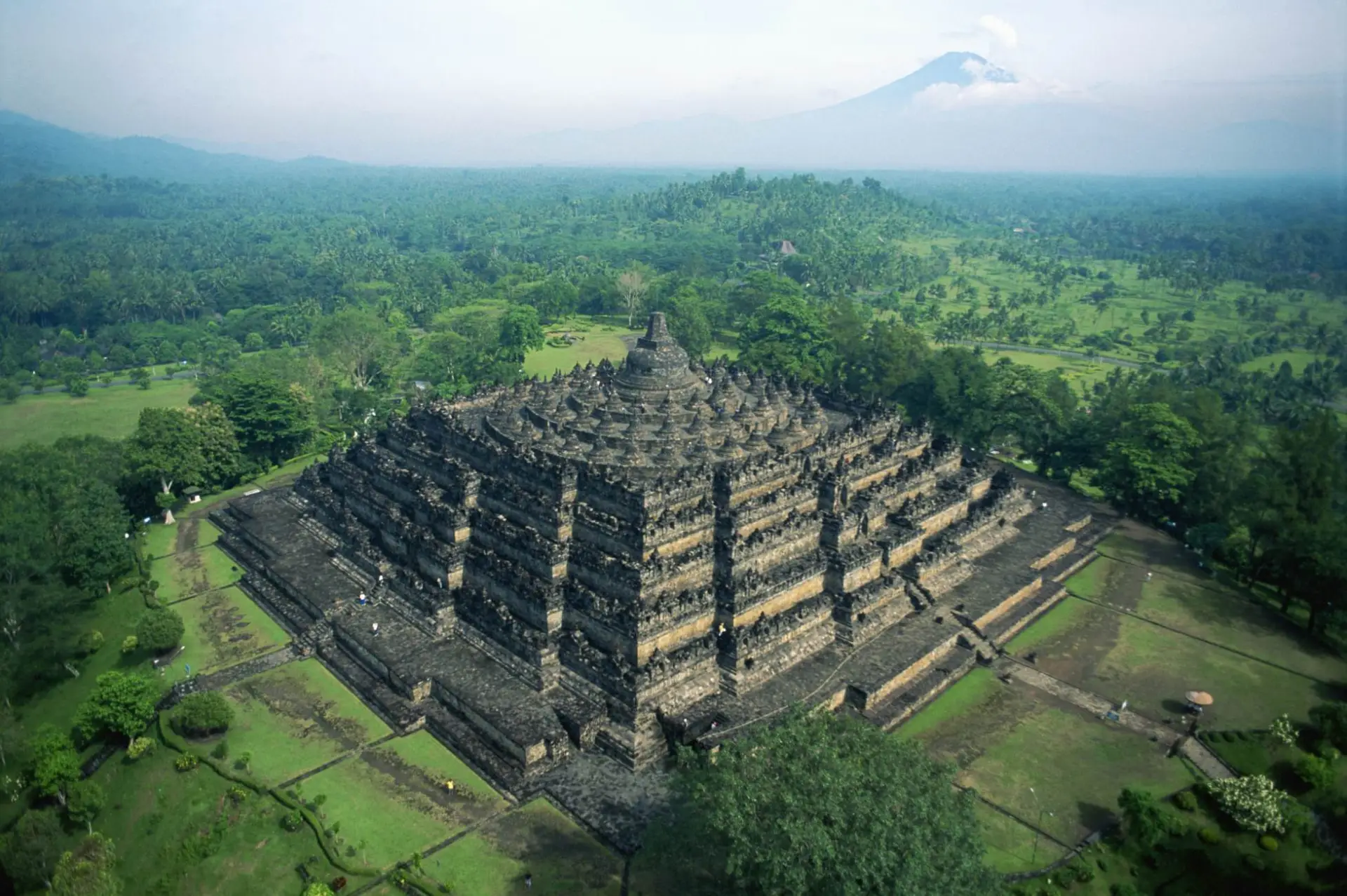
If you've only seen Mount Bromo through the lens of sunrise viewpoints and jeep convoys, Sukapura Market offers something refreshingly different. Located in Tengger highland village, this is where farmers, traders, and families gather to buy and sell the produce that fuels life on the volcano's slopes. For travelers curious about the culture behind the postcard views, Sukapura Market Bromo is one of the most genuine stops you can make.
Sukapura Market is a traditional market near Mount Bromo that serves the Tengger community, the ethnic group who have lived on this volcanic highland for generations. Unlike attractions built specifically for tourism, this market exists purely for locals: it's where highland farmers sell what they've grown, and where households restock everyday essentials. That authenticity is exactly why it matters. While most visitors experience Bromo through jeep tours and crater hikes, a stop here shows the human side of the region, the people who farm the terraces, tend the cabbages, and keep highland life running.
Sukapura village sits along the main route travelers use when heading from Probolinggo up toward the Bromo area, making it a convenient waypoint rather than a special trip. If you're already following our guide on getting from Jakarta to Mount Bromo, Sukapura will likely appear on your route as you climb from the lowlands into Tengger territory. Most travelers pass through by private car or as part of an organized jeep transfer, and a short stop at the market requires only a small adjustment to your schedule, not a detour.
Like many traditional markets across Java, Sukapura Market doesn't necessarily operate at full swing every single day. It follows a pasaran cycle, a traditional Javanese market-day system, which means certain days bring far more sellers, produce, and activity than others. If you want to see the market at its liveliest, it's worth asking your driver or local guide which day aligns with the peak market schedule during your visit. Early morning is generally the best window, both because that's when produce is freshest and traders most active, and because it dovetails naturally with an early departure for Bromo's sunrise viewpoints.
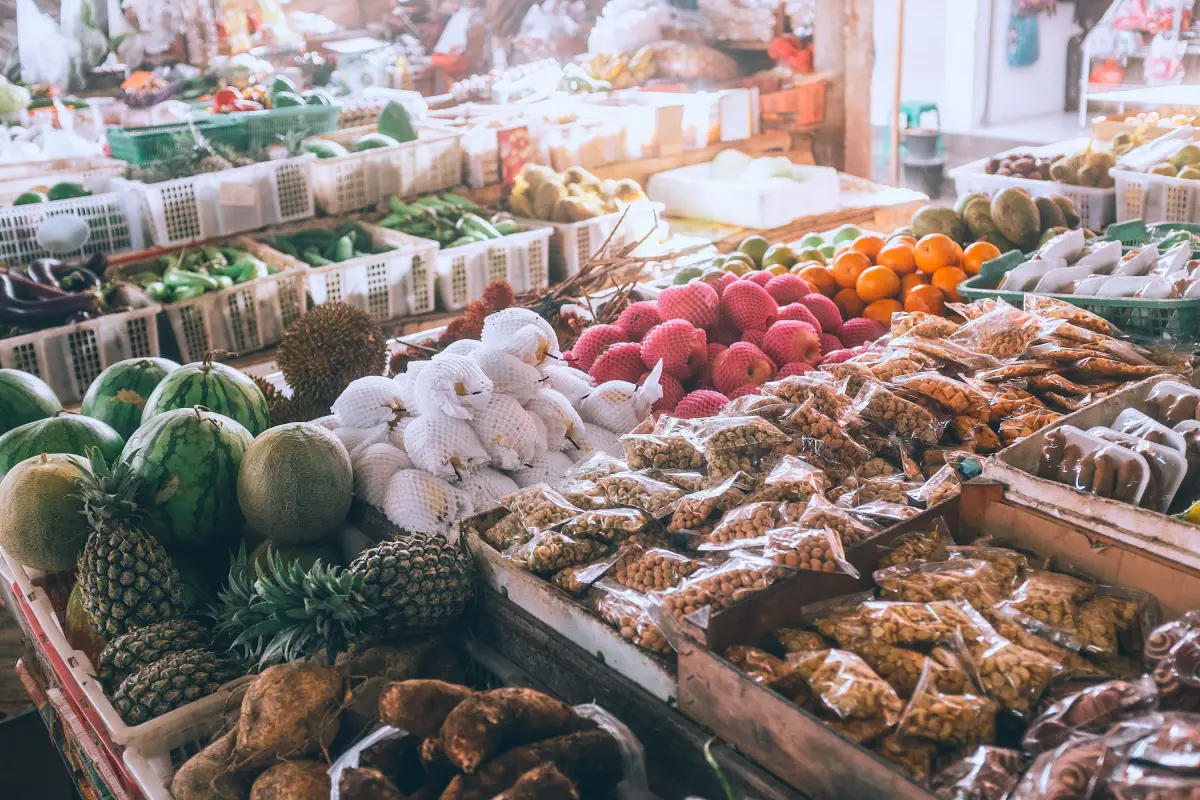
Walk through Sukapura Market and you'll see stalls piled with the vegetables that thrive in this cool volcanic climate: cabbages, potatoes, carrots, and leafy greens sit alongside baskets of chilies, shallots, and other spices essential to Javanese cooking. Fruit vendors sell whatever's in season, often grown just a short distance up the hillside. You'll also find everyday household goods, dried goods, and simple prepared snacks that locals grab on their way through. It's not curated for visitors, and that's the point: the market reflects what highland families actually eat, cook, and need on a given week.
For Tengger villagers, Sukapura Market isn't a novelty, it's a functional part of daily and weekly life. Farmers bring down produce from terraced fields to sell or trade, families do their weekly shopping, and the market doubles as a social hub where news and greetings are exchanged as much as goods. Watching these transactions unfold gives visitors a much richer sense of Tengger highland market culture than any staged cultural show could offer. It's a reminder that Bromo isn't just a dramatic landscape, it's also home to a living, working community with its own rhythms and traditions.
If you're building out a broader Java itinerary and want more structured cultural and natural experiences around volcanoes, rice fields, and local markets, tours like the Active Volcano, Rice Field, Hot Spring, Fruit Market, Tea Plantation tour follow a similar philosophy of blending scenery with everyday local life.
Sukapura Market fits naturally into a Bromo sunrise itinerary as an early add-on, either on your way up before the pre-dawn jeep departure or on your way back down once the crowds at the viewpoints have thinned. Because it sits directly on common Bromo access routes, it doesn't compete for time the way a standalone attraction would. Travelers coming from the Yogyakarta direction, as outlined in our Yogyakarta to Bromo transport guide, can also weave in a Sukapura stop if their route passes through the Probolinggo side of the mountain. Pair it with a crater hike using our Bromo crater visiting guide for a day that balances raw nature with everyday culture.
Sukapura isn't the only traditional market near Mount Bromo, but it stands out for its accessibility along the main tourist route and its strong Tengger character. Other nearby markets may serve smaller hamlets or operate on different pasaran cycles, offering slightly different goods depending on the surrounding farmland. If your priority is souvenirs and handicrafts rather than produce and daily necessities, Sukapura won't be your best bet; for that, our guide on where to buy local souvenirs in Bromo points you toward better-suited spots. Think of Sukapura as the place for cultural immersion, and other markets or shops as your stops for keepsakes.
It's a traditional highland market where Tengger villagers sell fresh vegetables, fruit, spices, and daily necessities, giving visitors a genuine glimpse of local life near Bromo rather than a curated tourist experience.
Like many Javanese traditional markets, Sukapura follows a rotating market-day schedule (pasaran) based on the Javanese calendar, so it's busiest on specific days rather than daily; checking locally before visiting is recommended.
Sukapura village sits along the main route travelers take from Probolinggo toward the Bromo area, making it easy to stop by en route to or from a sunrise tour without a major detour.
Sukapura Market focuses on fresh produce and daily goods for locals rather than souvenirs; if you want handicrafts or keepsakes, other spots covered in our Bromo souvenir guide are better suited.
Yes, if you're interested in authentic rural culture and don't mind an early, unpolished experience, it's a refreshing contrast to Bromo's more touristy viewpoints.
Ready to experience Bromo's landscapes and local culture together? Explore our Active Volcano, Rice Field, Hot Spring, Fruit Market, Tea Plantation tour and let Ekaputra Tour help you plan a Bromo journey that goes far beyond the sunrise photo stop.