If someone asks what is West Jakarta known for, the honest answer is layers of history stacked right next to modern life. This is the part of the city where Dutch colonial buildings sit a few streets away from electronics malls, where centuries-old Chinese temples share a neighborhood with university campuses. West Jakarta doesn't try to be flashy like the Central Business District, but for travelers who want to understand how Jakarta actually became Jakarta, this is arguably the most rewarding district to explore on foot.
This West Jakarta travel guide covers the essentials: the old town, the historic Chinatown, key museums, and how to use the area as a jumping-off point for day trips outside the city.
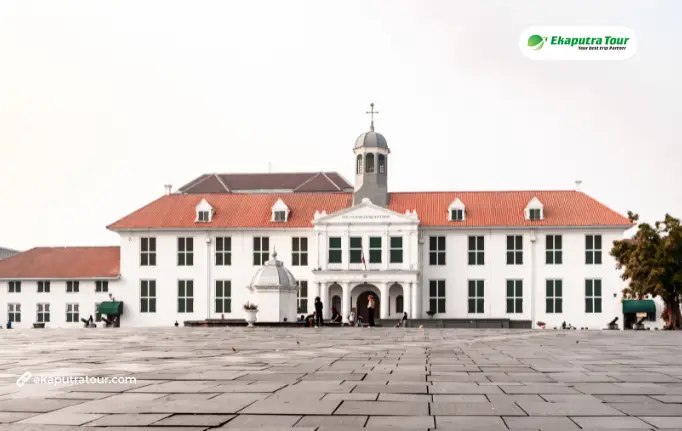
Kota Tua Jakarta is usually the first thing that comes up when people talk about West Jakarta attractions, and for good reason. This is the old town square built by the Dutch East India Company centuries ago, and it remains one of the best-preserved colonial cores in Southeast Asia. The cobblestone plaza is ringed by whitewashed buildings with green shutters, old street lamps, and cafes that spill out onto the square.
Locals gather here in the late afternoon when the light is soft and the heat has eased off. Vendors rent out colorful vintage bicycles, street performers set up near the fountain, and the whole square takes on a slightly festive, nostalgic atmosphere. It's genuinely one of the most photogenic spots in the city, and it's easy to spend two or three hours just wandering the perimeter streets, ducking into old buildings, and people-watching.
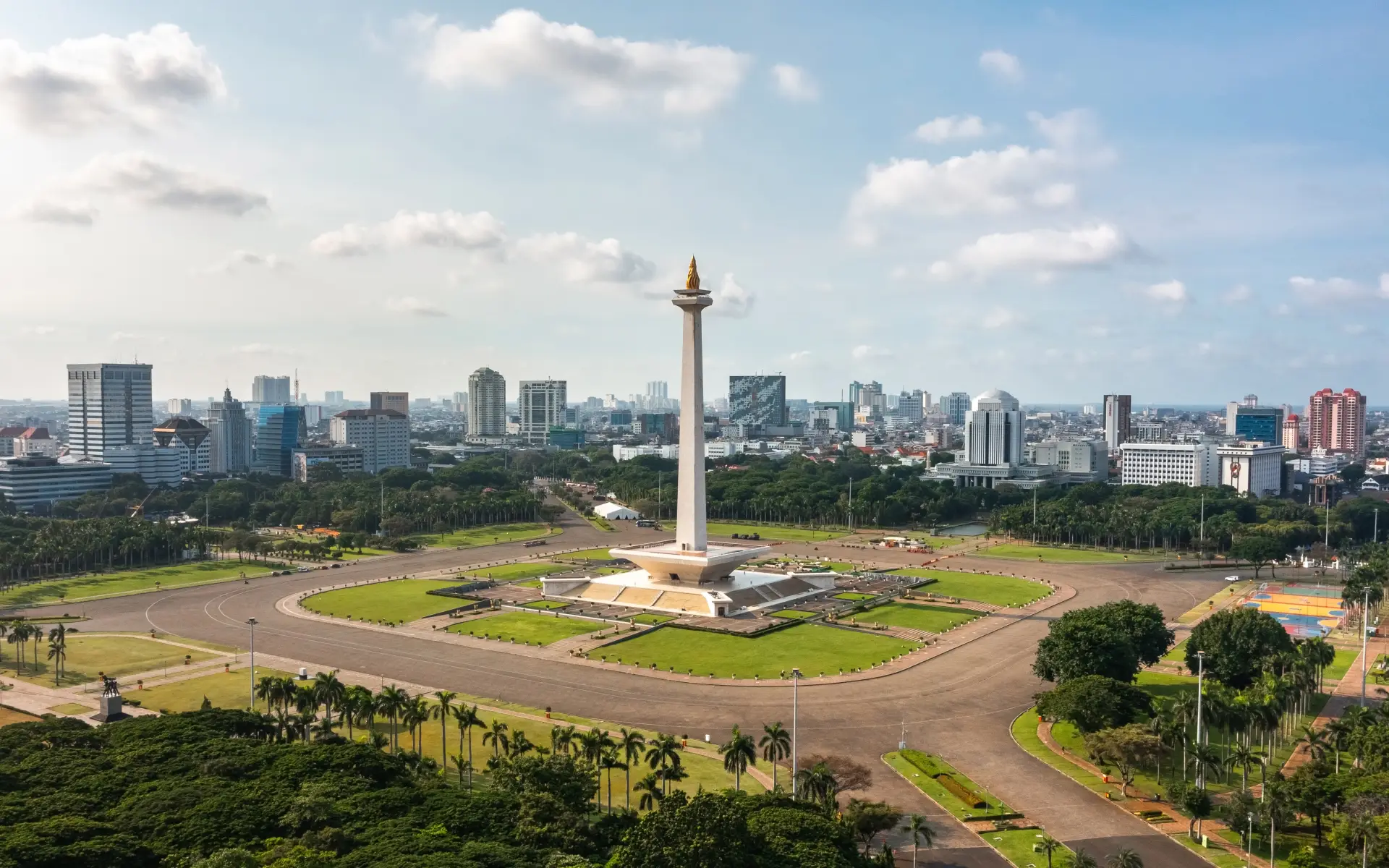
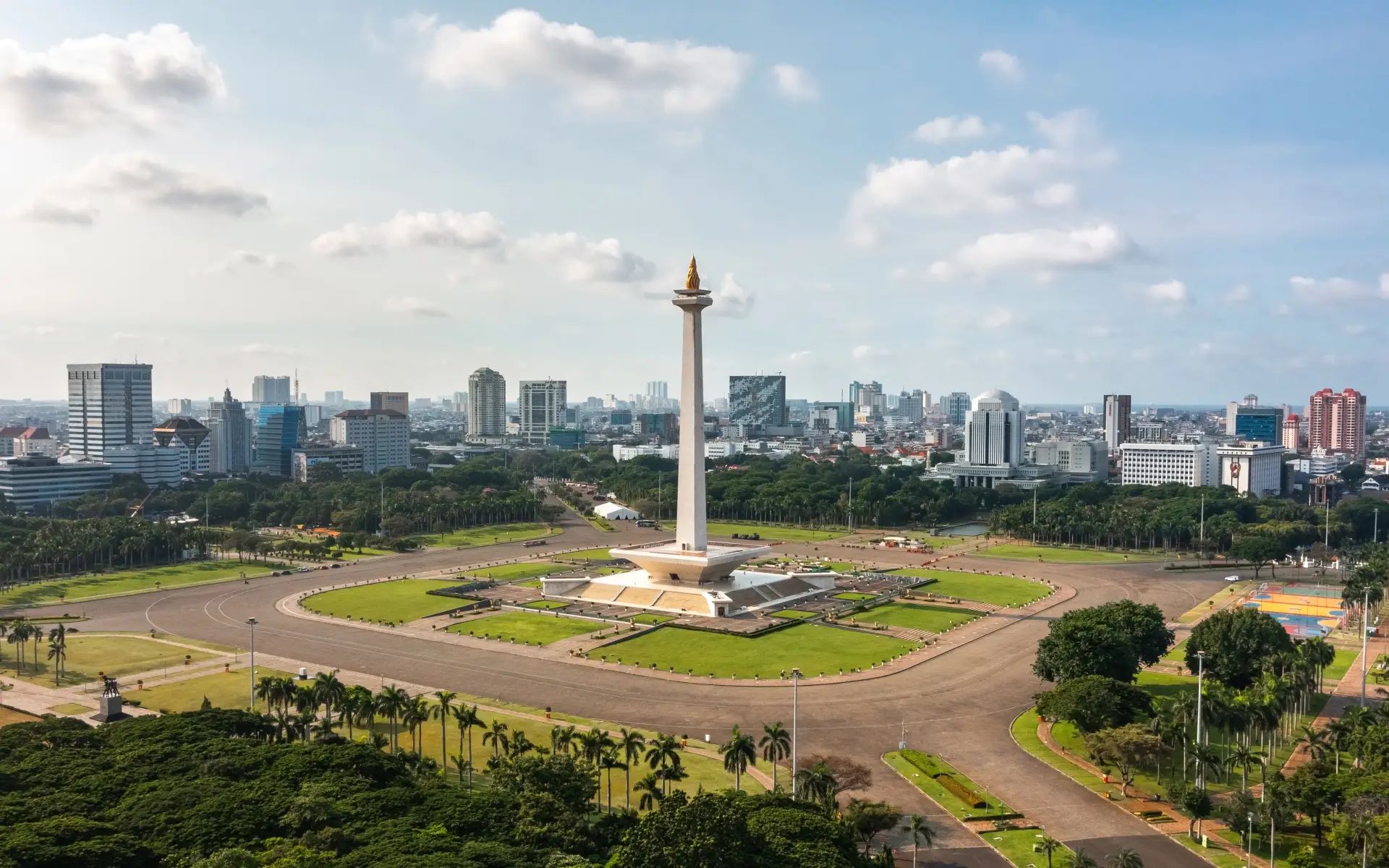
If you'd rather not navigate Kota Tua on your own, a guided option like the half-day Jakarta tour with a private local host covers this historic district alongside Monas, which is a practical way to see the highlights without burning a full day figuring out logistics.
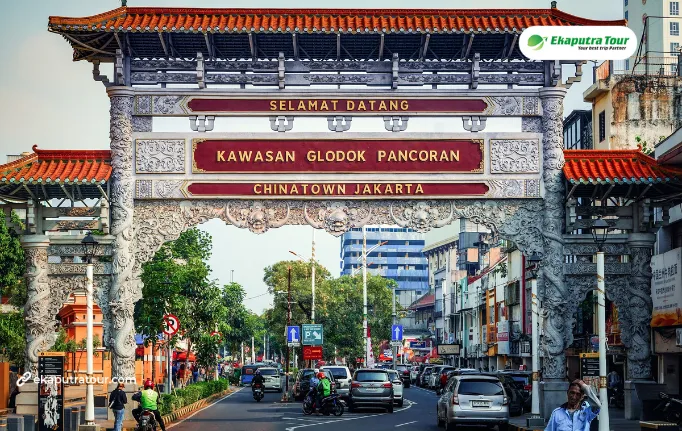
Just south of Kota Tua sits Glodok, one of the oldest Chinatowns in Southeast Asia and a defining answer to what is West Jakarta known for among people who know the city well. Glodok Chinatown Jakarta has been a Chinese-Indonesian commercial and cultural hub since the colonial era, and that history is still visible in its temples, its narrow shophouse alleys, and its food.
Vihara Dharma Bhakti, one of the oldest temples in the city, sits at the heart of the district, its courtyard thick with incense smoke and the scent of burning joss paper. Around it, herbal medicine shops stock jars of dried roots and mysterious tonics, while nearby streets turn into an electronics bazaar packed with gadgets, cables, and secondhand goods. Come evening, Glodok's food stalls light up with Chinese-Indonesian dishes you won't easily find elsewhere in Jakarta: kwetiau goreng, babi kecap, and fried dumplings sold from carts that have been in the same family for generations.
Glodok pairs naturally with Kota Tua since they're within easy walking distance of each other, making a combined visit one of the most efficient things to do in West Jakarta in a single afternoon.
Beyond the streets themselves, West Jakarta holds a cluster of museums worth building time around. The Jakarta History Museum, housed in the old city hall building right on Kota Tua's main square, walks visitors through the city's evolution from a small port town to a sprawling capital. Nearby, the Wayang Museum showcases Indonesia's traditional puppet art, while the Fine Art and Ceramics Museum displays centuries of Indonesian and Chinese ceramic work in a beautifully preserved colonial building.
These museums aren't huge or overwhelming, which makes them easy to fit in between exploring the square and grabbing a coffee. Most travelers can comfortably hit two or three of them in a couple of hours without feeling rushed.
West Jakarta isn't stuck in the past. Areas like Puri Indah and Kebon Jeruk have grown into busy commercial zones with shopping malls, office towers, and residential complexes that cater to a younger, more affluent crowd. The district is also home to several respected universities, which gives certain neighborhoods a distinctly youthful, cafe-heavy energy that contrasts sharply with the old town's colonial hush.
Shoppers looking for electronics or bargain finds often gravitate toward markets just outside the immediate West Jakarta core. If that's on your list, it's worth reading up on what to buy at Mangga Dua Market before heading over, since it's one of the most popular shopping detours from this part of the city.
What makes West Jakarta genuinely interesting isn't just the landmarks, it's the rhythm of daily life around them. Street vendors sell kopi tubruk from carts parked outside centuries-old buildings. Betawi elders sit in the shade of Kota Tua's arcades chatting with neighbors they've known for decades. Food is a huge part of this local character, and if you want to taste dishes that predate the modern city itself, it's worth reading about traditional Betawi food and where to eat it, much of which has roots in this side of Jakarta.
This blend of old and new, unhurried and hectic, is really what defines the district's personality more than any single attraction.
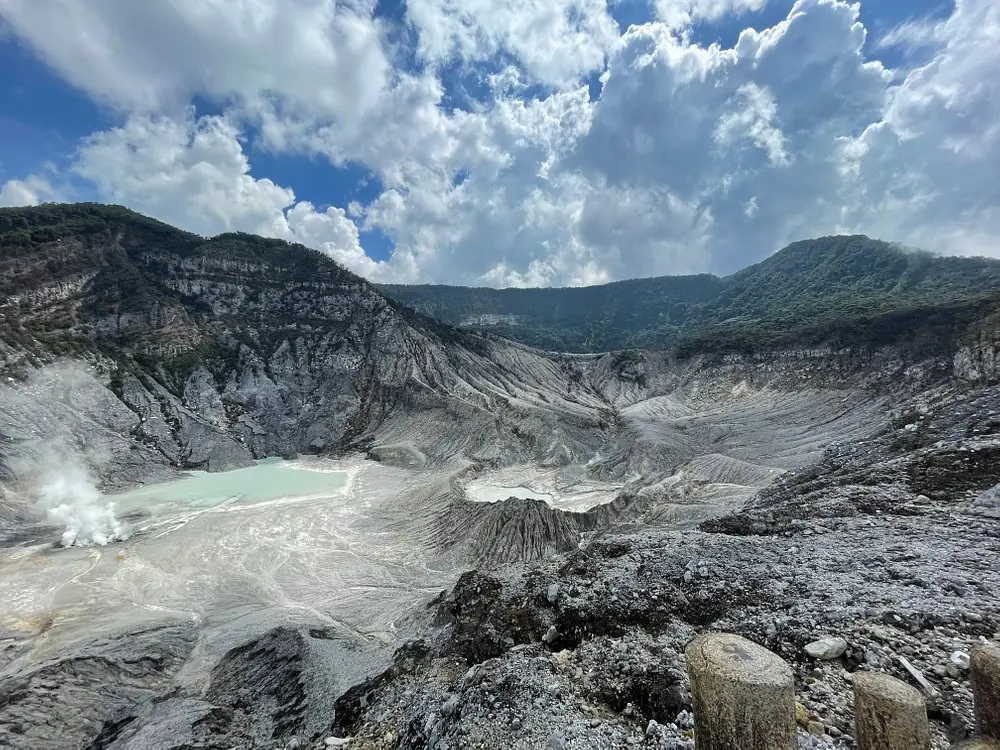
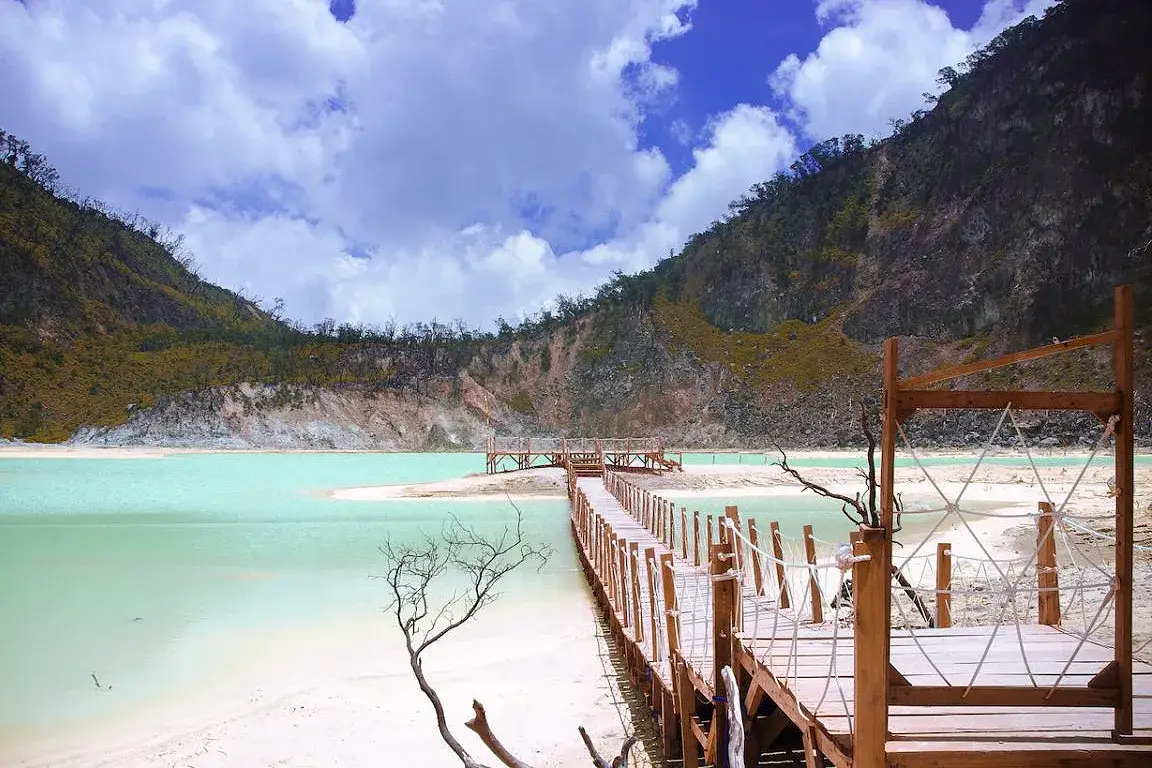
Because West Jakarta sits close to major transport routes, it works well as a launch point for excursions beyond the city. Travelers craving nature and a break from urban heat often head toward Kawah Putih and its striking turquoise crater lake in South Bandung, detailed further in this Kawah Putih day trip guide, or book the full White Crater, Suspension Bridge & Hot Spring tour directly.
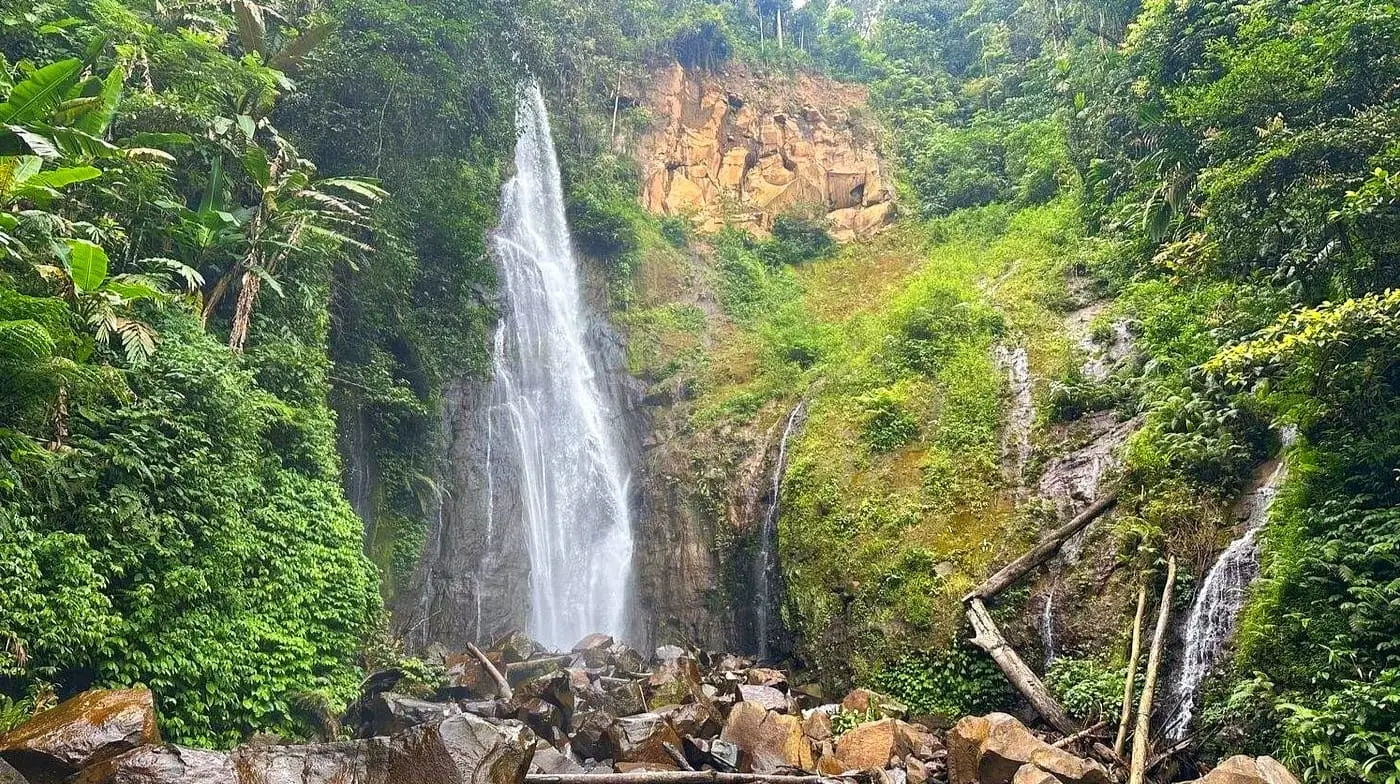
For something culturally deeper, the Baduy tribe village trekking tour takes you into the hills of Lebak, Banten, to visit an indigenous community that has intentionally avoided modern technology for centuries. It's a striking contrast to the skyscrapers and malls of West Jakarta, and many travelers pair the two experiences to get a fuller picture of Indonesia beyond the capital.
West Jakarta is best known for Kota Tua, the old colonial town square, and Glodok, one of the oldest Chinatowns in Southeast Asia, alongside a mix of museums, universities and modern shopping districts.
Yes, Kota Tua's Dutch colonial buildings, museums and lively town square make it one of Jakarta's most photogenic historic areas, especially in the late afternoon.
Glodok is famous as Jakarta's historic Chinatown, known for its temples, herbal medicine shops, electronics markets and Chinese-Indonesian street food.
A full day is usually enough to cover Kota Tua and Glodok, though travelers interested in museums, food and shopping may prefer two days to explore at a relaxed pace.
West Jakarta is generally safe for tourists, especially in well-visited areas like Kota Tua and shopping districts, though normal city precautions with belongings are recommended.
Yes, many visitors pair a West Jakarta walk with a guided cultural tour or a day trip outside the city, such as a highland crater excursion or a village trekking experience.
Ready to see West Jakarta's old town and Chinatown with someone who actually knows the backstreets? Book the half-day guided tour with a private local host and let a friendly local guide walk you through Kota Tua's colonial heart and beyond.