Jakarta is one of Southeast Asia's most dynamic cities. But if it is your first time here, a few things might catch you completely off guard.
From the traffic to the food culture, Jakarta operates on its own rules, and somehow, it all works beautifully.
Here are the most common culture shocks tourists experience in Jakarta, and what to expect before you arrive.
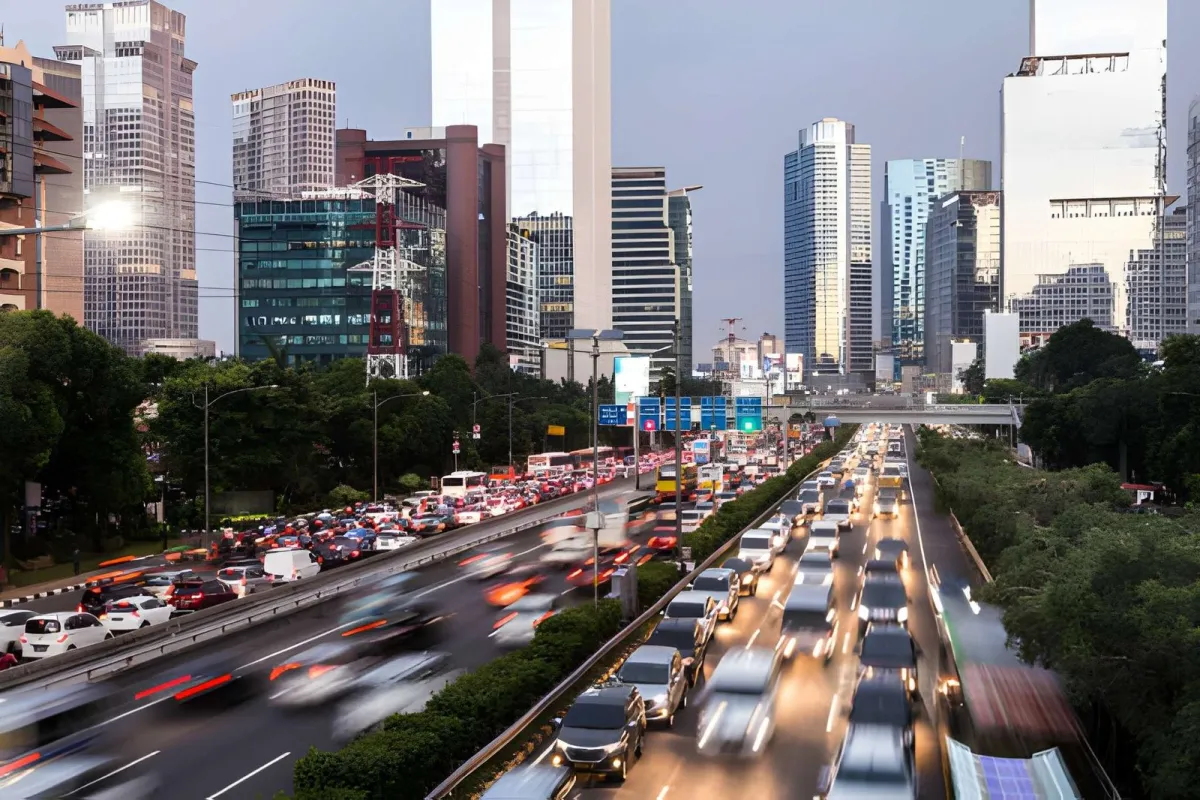
Nobody told you the motorbikes just go everywhere. Sidewalk? Theirs. Road? Also theirs. Three lanes squeezed into five? Somehow it works.
Jakarta is infamous for its traffic, especially during rush hours (7–9 AM and 5–8 PM). Motorbikes weave between cars with precision that looks chaotic but rarely ends in accidents.
For first-time visitors, crossing the street alone can feel overwhelming.
Pro tip: Use the pedestrian crossings, walk with a local, or book a guided tour so you never have to navigate the streets on your own.
Being approached by a stranger in Jakarta is not a scam. It is just how Jakarta people are.
Locals are genuinely warm and curious about foreign visitors. Do not be surprised if someone approaches you to say hello, take a photo together, or offer directions without you even asking.
This openness is one of the most memorable things tourists bring home from Jakarta.
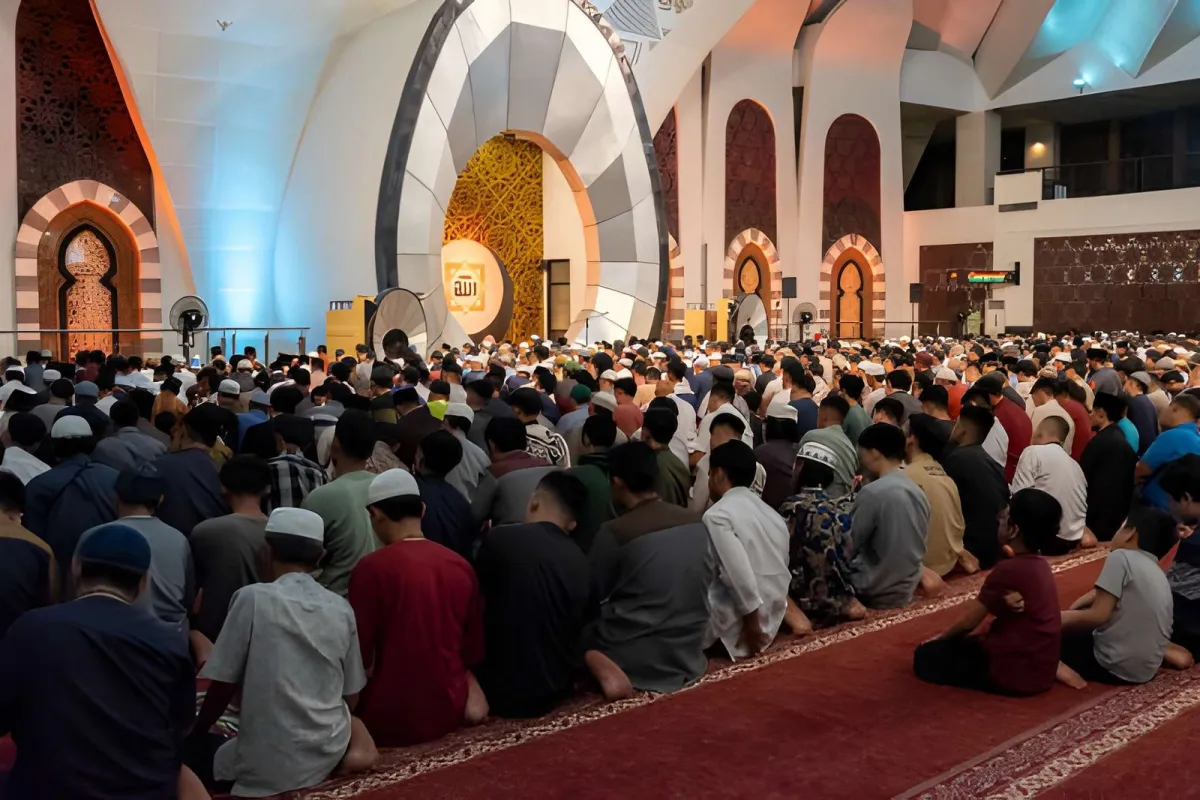
Five times a day, the entire city pauses. You will hear the adhan echoing from mosques across the neighborhood, sometimes multiple mosques layering over each other.
At first, it might startle you. But most visitors quickly find it one of the most atmospheric sounds of the city.
Indonesia is home to the largest Muslim population in the world, and the call to prayer is a central part of daily life here. It is not background noise. It is the rhythm of the city.
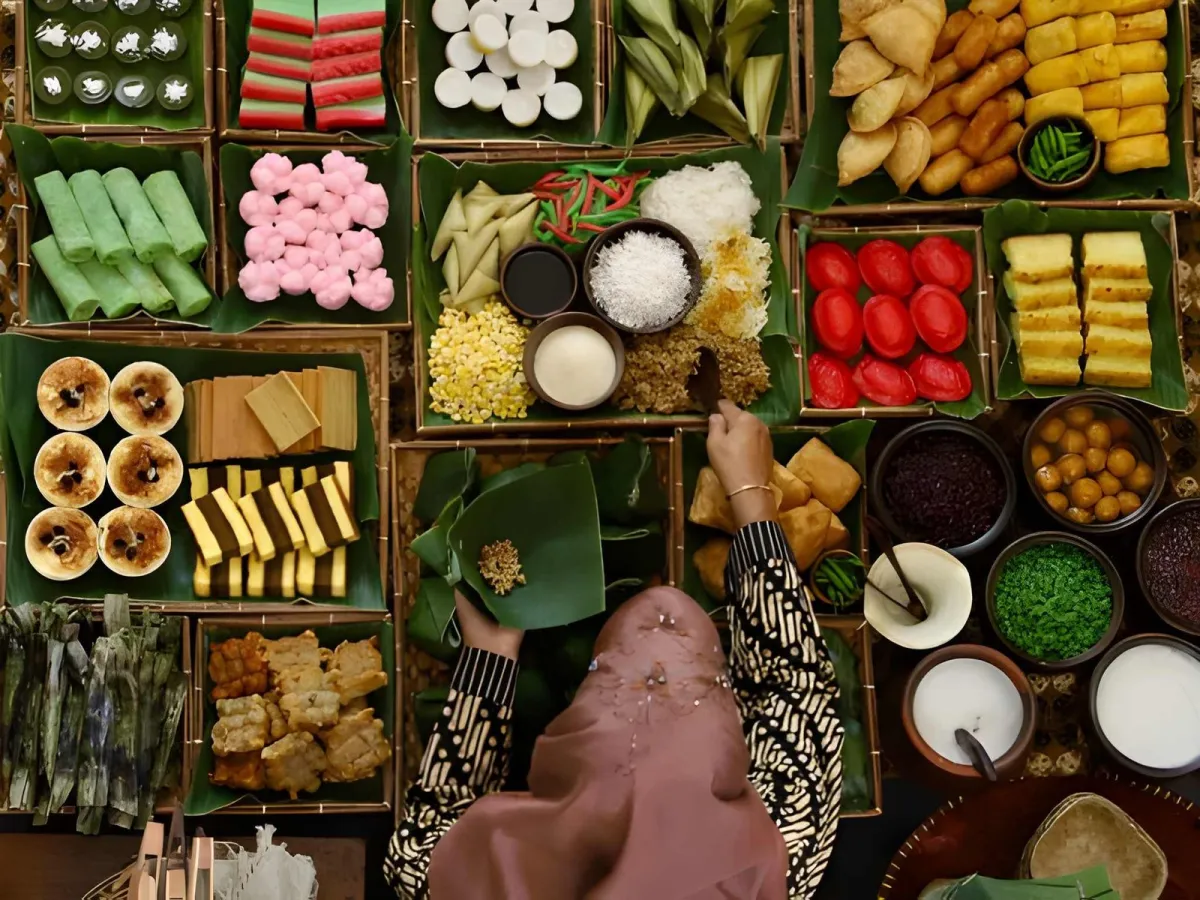
Jakarta does not sleep, and neither do its food stalls. Warungs (small local eateries) and kaki lima (street food carts) operate from early morning until past midnight. You can get a full meal for under $2 USD at any hour.
First-time visitors are often overwhelmed by how much food there is and how cheap it can be. From nasi goreng to soto ayam, Jakarta's street food scene is a culture experience in itself.
In most countries, malls are for shopping. In Jakarta, they are a lifestyle.
People come to eat, hang out, watch movies, pray (there are prayer rooms in almost every mall), and escape the heat.
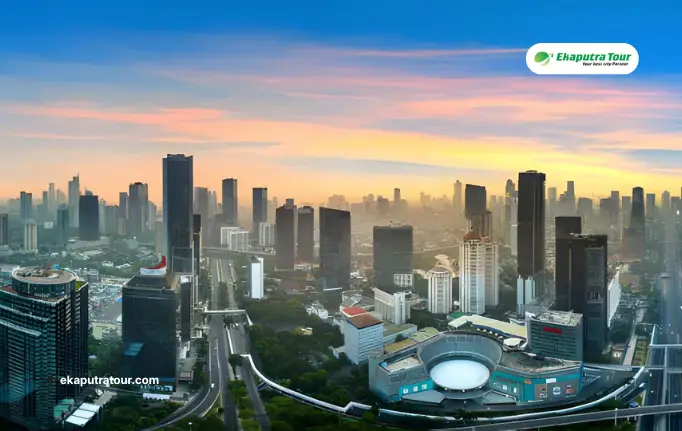
Some of Jakarta's malls are genuinely world-class, like Grand Indonesia or Pacific Place.
For tourists, this is actually great news because malls here are also filled with local restaurants, batik shops, and cultural finds.
You might walk out of a five-star hotel and see a street vendor selling satay two meters away. Jakarta holds both realities at once without any tension.
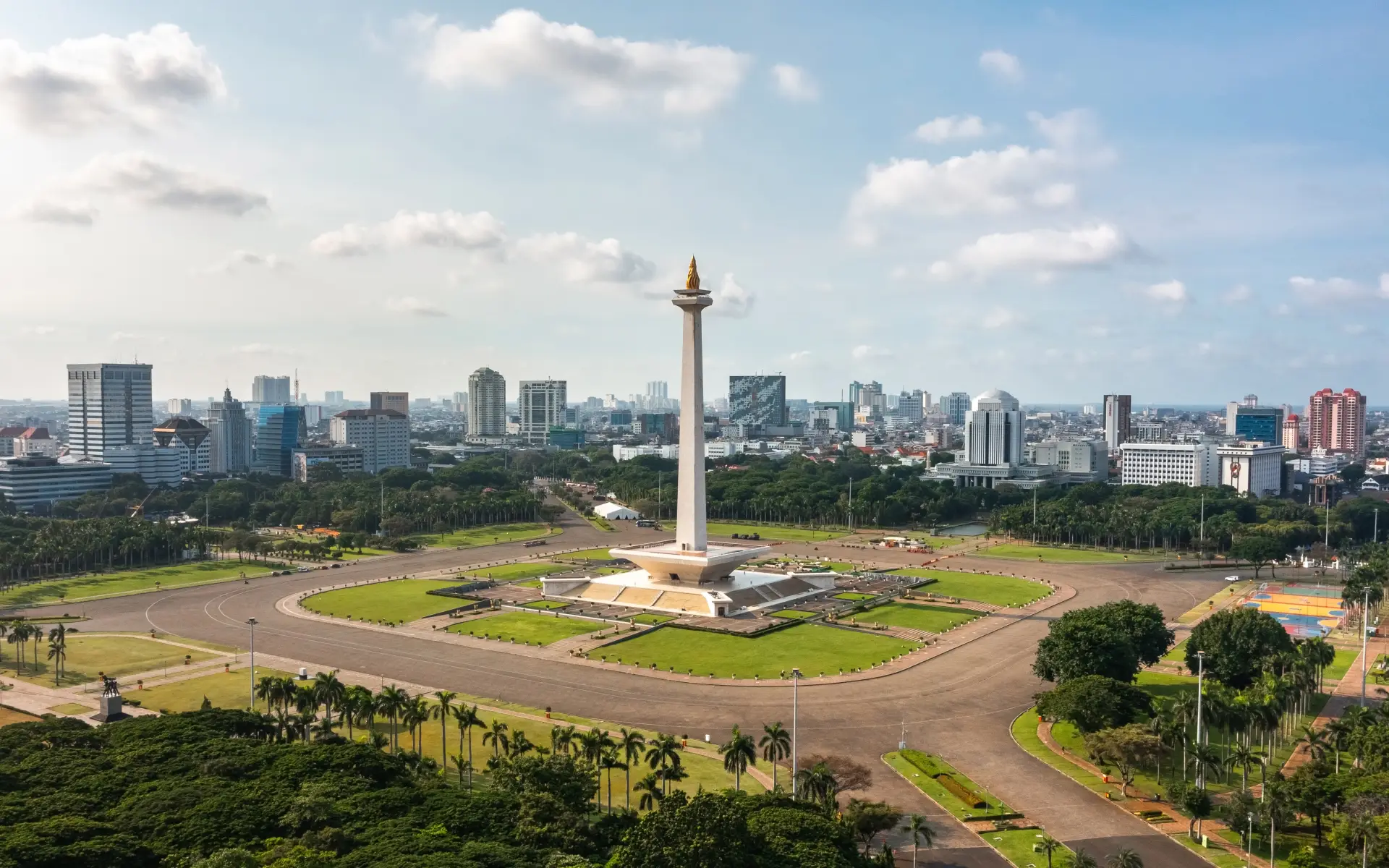
Ultra-modern skyscrapers, luxury shopping centers, and rooftop bars coexist right next to traditional markets, local mosques, and century-old neighborhoods like Kota Tua (Old Batavia).
This contrast is jarring at first, but it is exactly what makes Jakarta unlike any other city.
At supermarkets and malls, prices are fixed. But step into Pasar Baru or any traditional market, and the price you see is the starting point of a negotiation.
Locals bargain as a matter of habit, and vendors actually respect buyers who do it.
If you pay the first price quoted, you might end up paying two to three times more than a local would. Do not be shy about it.
Taxis exist, but the default for locals is Grab (or Gojek).
These ride-hailing apps cover cars, motorbike taxis (ojek), food delivery, and even courier services.
For tourists, the app is a game-changer because pricing is transparent, no negotiation needed, and you can input your destination in English. Download it before you land.
If you are invited into a local's home or a small family-run warung, you will almost always be offered food or drink, sometimes before you even sit down.
Refusing can come across as impolite in some contexts.
Accepting the gesture, even just a sip or a small bite, goes a long way in building warmth with the people you meet.
Jakarta's hospitality is not performative. It is genuine, and it is one of the reasons first-time visitors often become repeat visitors.
All of this is so much better with someone who actually knows the city.
A local guide can take you through the culture, the food, and the real Jakarta that most tourists miss on their own.
Ekaputra Tour offers guided Jakarta city tours led by local experts who can help you navigate the culture, not just the streets.
Whether it is your first time or your fifth, having a local by your side makes all the difference.