Jakarta doesn't do things quietly. The capital of Indonesia is loud, layered, and genuinely unlike anywhere else in Southeast Asia — a city where Dutch colonial architecture stands next to gold-domed mosques, where street food vendors compete with rooftop restaurants, and where 10 million people somehow make it work.
That scale is exactly what makes a Jakarta city tour worth doing.
Trying to navigate this city solo without knowing which roads flood at 4pm or which shortcuts shave 40 minutes off a cross-town journey burns daylight fast.
A well-planned guided tour turns a potentially exhausting day into a genuinely memorable one.
This guide covers everything you need to plan your Jakarta city tour: what to see, how long you need, whether half day or full day fits your trip, and what to look for when booking a private tour.
Jakarta's main attractions aren't particularly close to each other.
Monas sits in Central Jakarta, Kota Tua is 7 km north, Sunda Kelapa another 2 km beyond that, and TMII is all the way in East Jakarta.
Without a vehicle and a driver who knows the city, you're spending a large chunk of your day waiting for ride-hailing apps or figuring out the TransJakarta bus routes.
A guided city tour solves the logistics completely.
Your driver knows which roads to avoid at which hour, your guide handles entrance tickets, and you move from site to site in a comfortable air-conditioned car rather than standing on a curb in 33°C heat.
The practical difference: solo travelers navigating Jakarta on their own typically manage 2–3 attractions in a day.
A well-run guided tour covers 6–8 sites with time at each, because the routing and timing are already figured out.
For first-time visitors especially, having a local guide also means getting context that no travel article can fully replicate the story behind the mosque and cathedral standing across the street from each other, the significance of the harbor to Jakarta's trading history, the kind of detail that turns sightseeing into actual understanding.
This is the most common question, and the answer depends almost entirely on how much time you have in Jakarta.
A Jakarta half day city tour covers the essential highlights in 4–5 hours — typically Kota Tua, Monas, and Istiqlal Mosque. It's the right choice if you're transiting through Jakarta, on a cruise stop, or simply have other plans for the afternoon. You leave having seen the city's core without rushing.
A Jakarta full day city tour runs 8–10 hours and goes deeper — adding Sunda Kelapa Harbor, TMII, the Cathedral, lunch at a local restaurant, and often a neighborhood walk through the older parts of the city. If this is your primary Jakarta day, full day is the better investment.
Not sure which fits your trip? Use this as a quick guide:
Start at 8:00 AM. This isn't arbitrary — Jakarta's morning rush runs from 7–9 AM, and getting ahead of it means your driver can move efficiently across the city before traffic locks up the main corridors.
Early starts also give you the cooler morning hours for outdoor sites like Monas and the Sunda Kelapa docks.
The general flow works well when timed this way: outdoor cultural sites in the morning while temperatures are manageable, lunch during the midday heat, indoor or covered attractions in the early afternoon, and final outdoor stops as the day cools.
You're back at your hotel before Jakarta's 5–7 PM evening gridlock.
These six landmarks form the backbone of any comprehensive Jakarta city tour.
Each one tells a different part of the city's story — colonial past, religious identity, maritime history, and cultural diversity compressed into a single day.
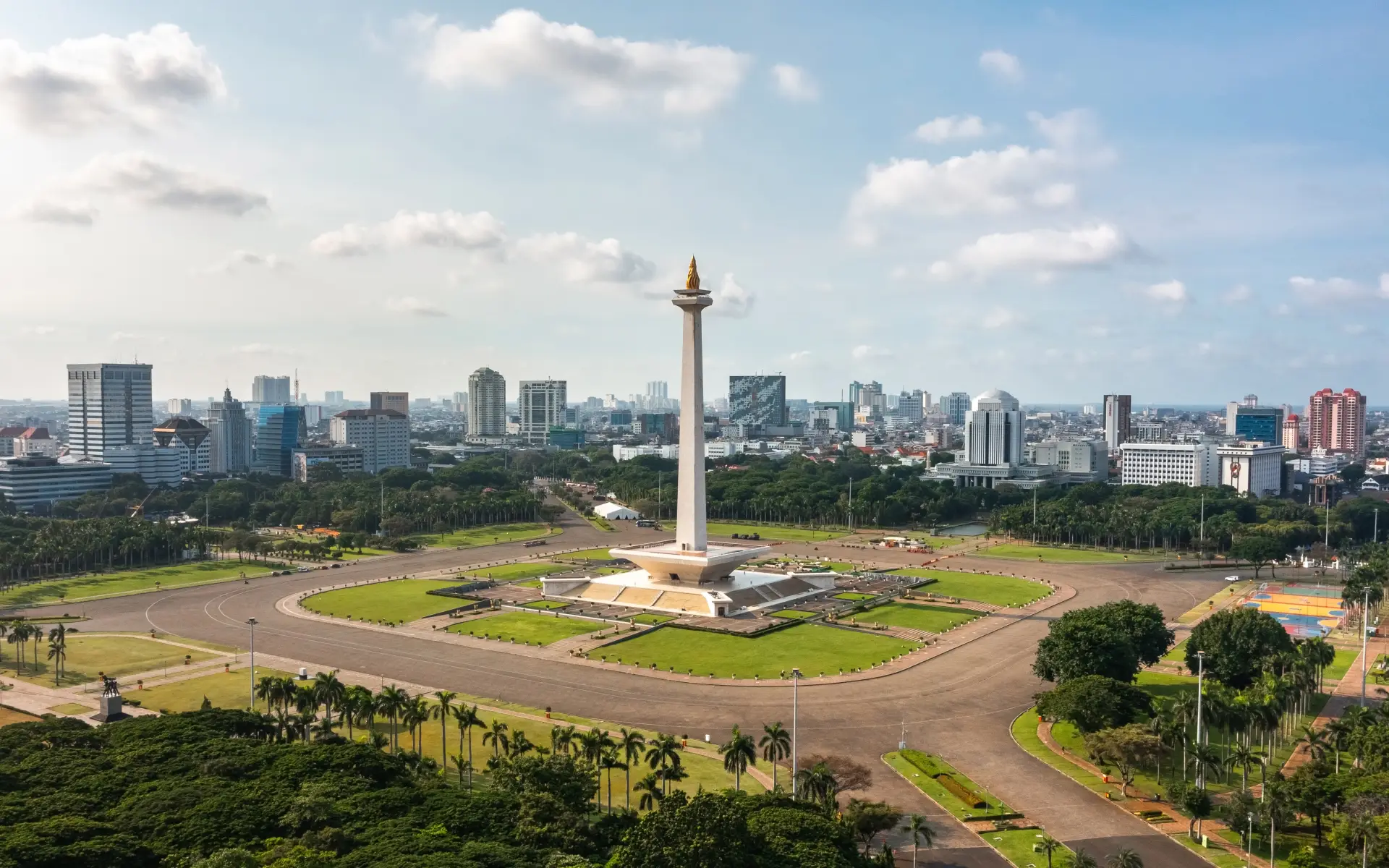
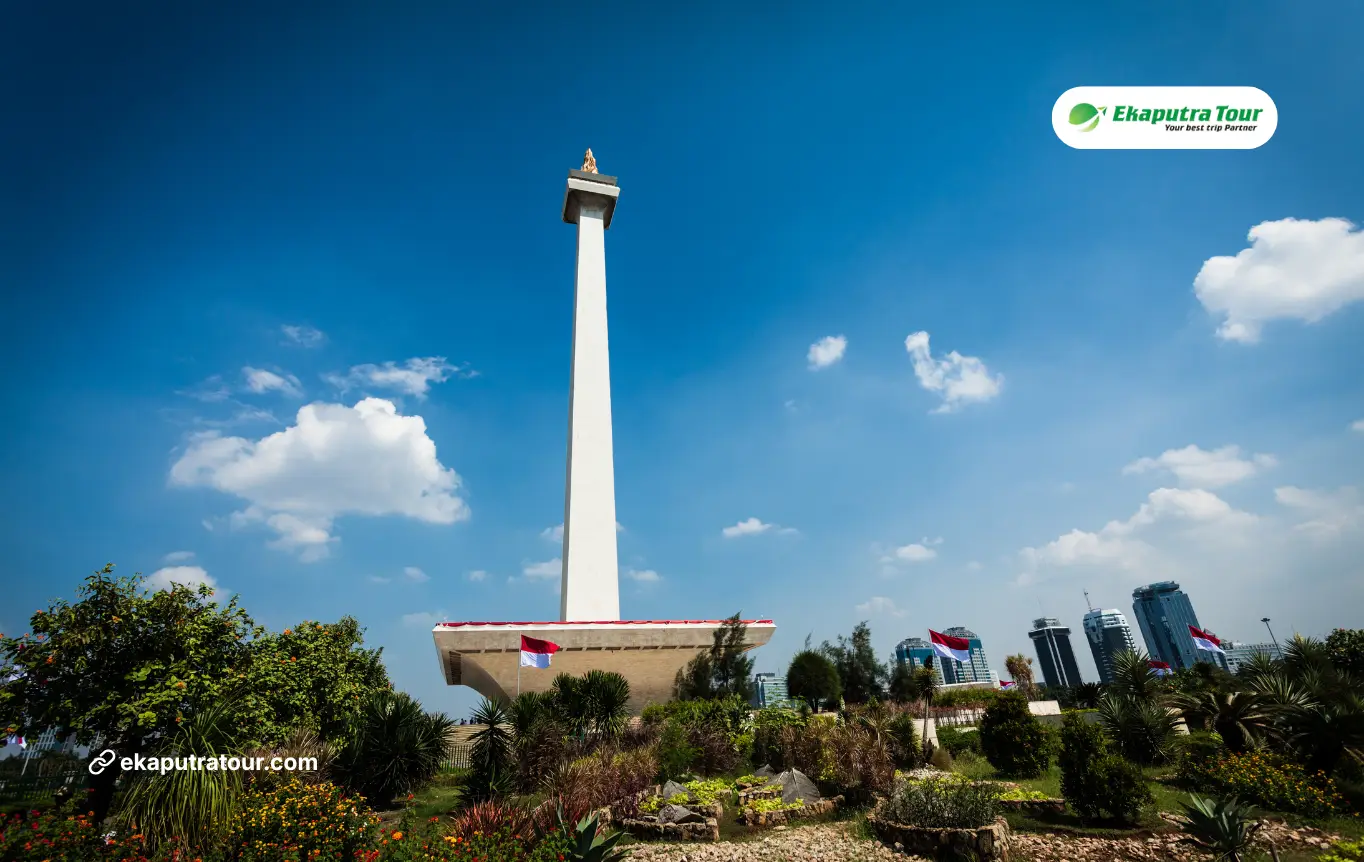
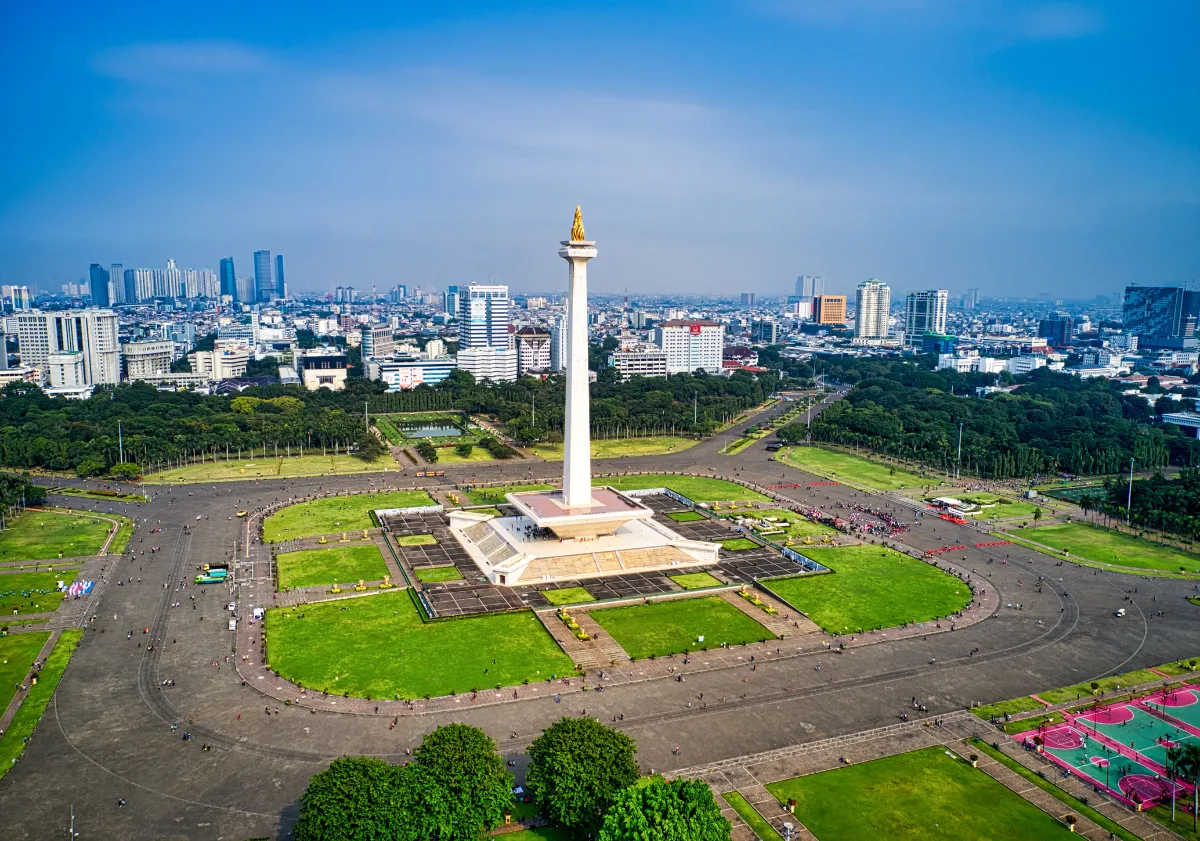
The 132-meter marble obelisk capped with 35 kg of flame-shaped gold is Jakarta's most recognizable landmark, visible from most of the city center.
The elevator to the observation deck gives you a panoramic view that actually helps you understand Jakarta's scale — you can trace the grid of colonial-era streets north toward Kota Tua and the bay, with the modern CBD towers clustered to the south.
Below the monument, the National History Museum uses dioramas to walk through Indonesia's history from prehistoric times through independence in 1945.
It's worth 20 minutes inside even if you're not a museum person — the independence-era scenes are particularly well done.
The surrounding Merdeka Square is where Jakartans come to exercise in the morning, walk their dogs, and let their kids run around.
It's one of the few large green spaces in the city center and genuinely pleasant in the early hours. Plan 45–60 minutes here, and go early on weekdays to avoid the elevator queues that build on weekends.
This is the district most visitors come to Jakarta specifically to see, and it delivers.
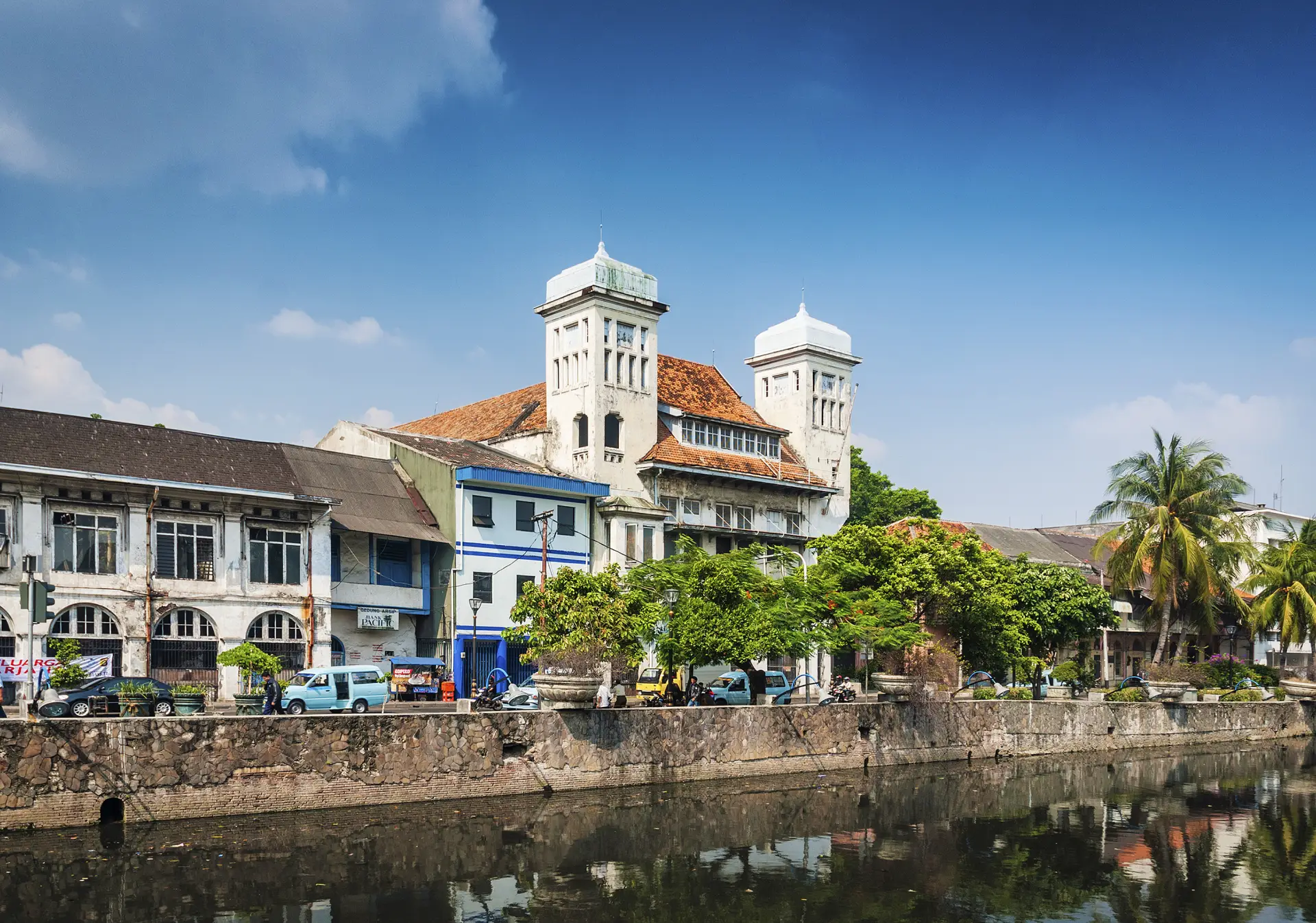
Kota Tua is what remains of Batavia — the Dutch colonial capital established in the early 1600s — and the preservation of the area around Fatahillah Square makes it feel genuinely distinct from the rest of the city.
The square itself is surrounded by 17th and 18th-century colonial buildings in various states of restored glory.
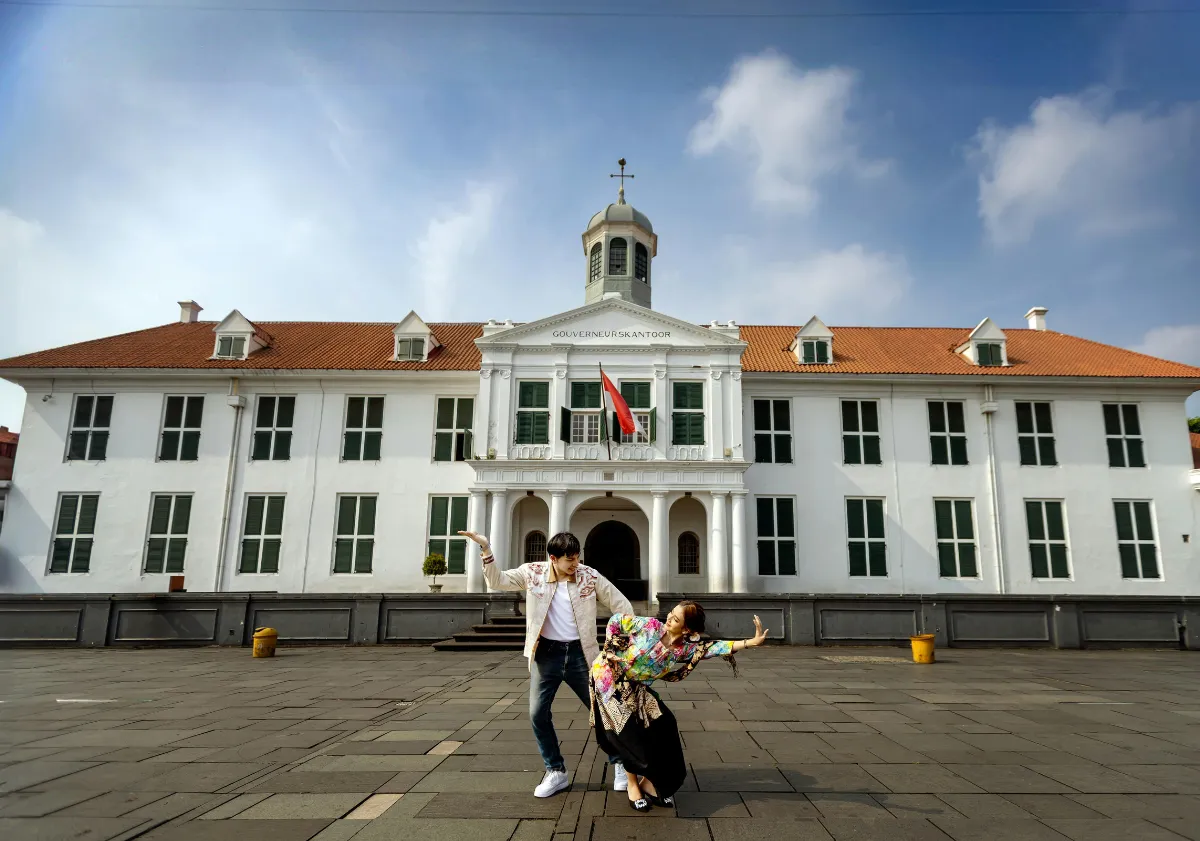
The Jakarta History Museum occupies the former city hall and traces the city from trading post to megacity.
Next door, the Wayang Museum holds one of Indonesia's best collections of traditional shadow puppets — a UNESCO-recognized art form — and the space itself (a former church and warehouse) is worth seeing independently of the collection.
Between the formal sites, the square has its own rhythm: street performers, vintage bicycle rentals, vendors selling es kelapa, and the always-busy Cafe Batavia occupying a beautifully preserved colonial mansion on the north side.
The facades photograph best between 9–11 AM when the light is hitting them directly. Plan 90 minutes here, more if you want to go inside multiple museums.
For a deeper look at what to do in this area, see our guide to exploring Kota Tua in one day.
Southeast Asia's largest mosque can accommodate 120,000 worshippers under its 45-meter dome, and the scale of the interior is genuinely impressive — white marble floors extending in every direction, the dome overhead letting in filtered light, the whole space designed to feel open rather than ornate.
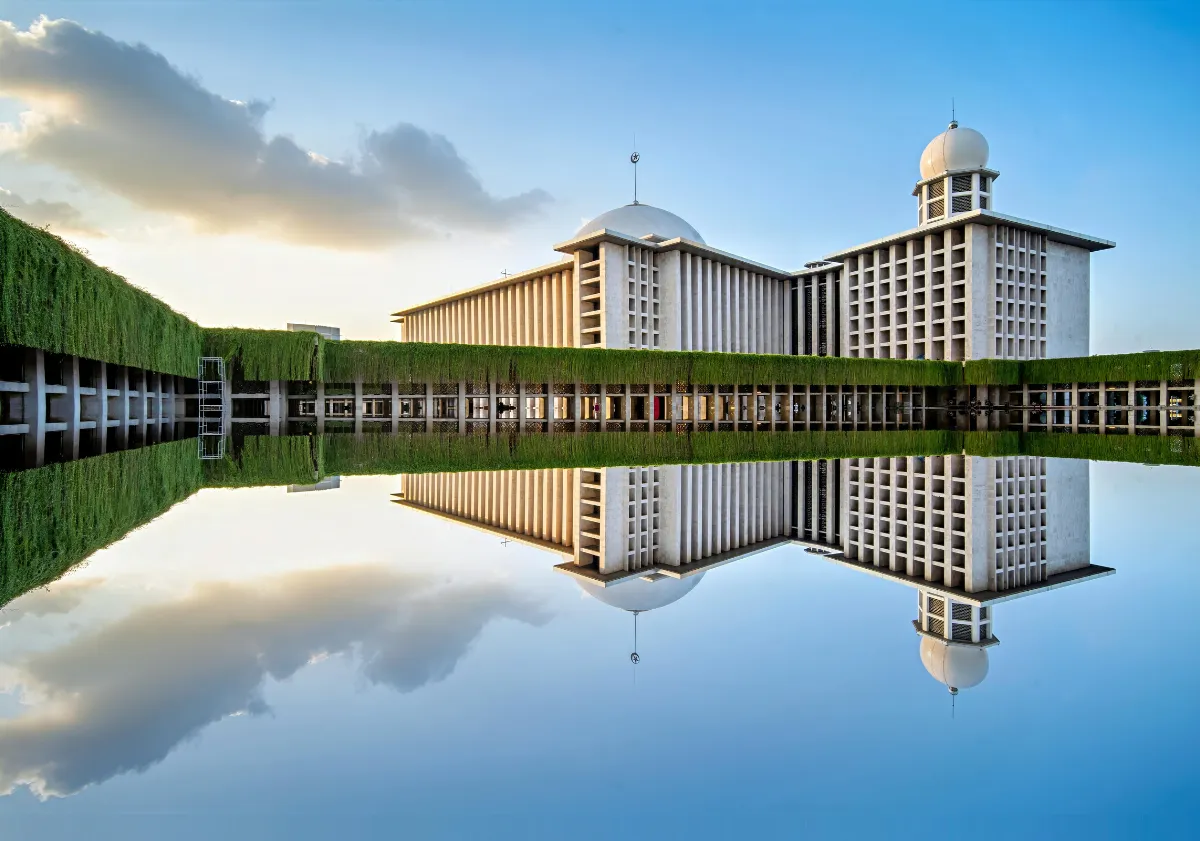
Non-Muslim visitors are welcome outside prayer times. The mosque provides head scarves for women at the entrance, and guides stationed near the gate will walk you through the building's history and significance if you ask.
The mosque was completed in 1978, designed by a Christian Indonesian architect as a deliberate symbol of national unity — that backstory alone makes the visit more interesting.
Istiqlal sits directly across a narrow street from Jakarta Cathedral, and the two buildings facing each other have become one of the city's most photographed intersections. Plan 30–45 minutes here, and avoid Friday midday when the mosque is at full capacity.
Built in 1901, the Cathedral of Our Lady of the Assumption is a neo-Gothic building that looks more at home in Amsterdam than in equatorial Southeast Asia — which is precisely the point.
Twin spires, stained glass windows depicting Indonesian saints, and a pipe organ from 1914 that still works.
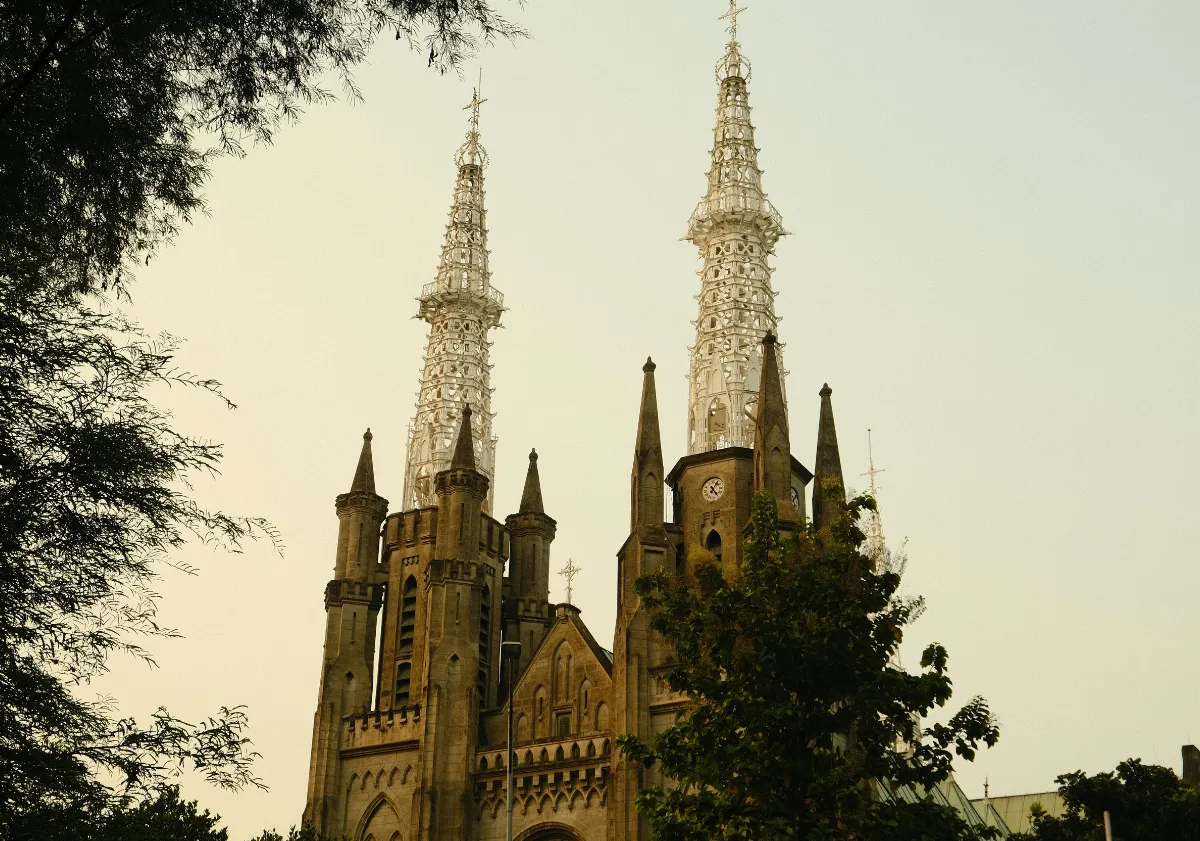
The contrast with Istiqlal across the street is striking, and the symbolism of the two buildings coexisting here is something locals are genuinely proud of.
Plan 20–30 minutes, which is enough to see the interior properly and spend some time in the courtyard.
Jakarta has been a trading port for five centuries, and Sunda Kelapa is where you can still see that history in motion.
Traditional pinisi schooners — wooden sailing vessels built entirely by hand using techniques passed down across generations — dock here to load and unload cargo.
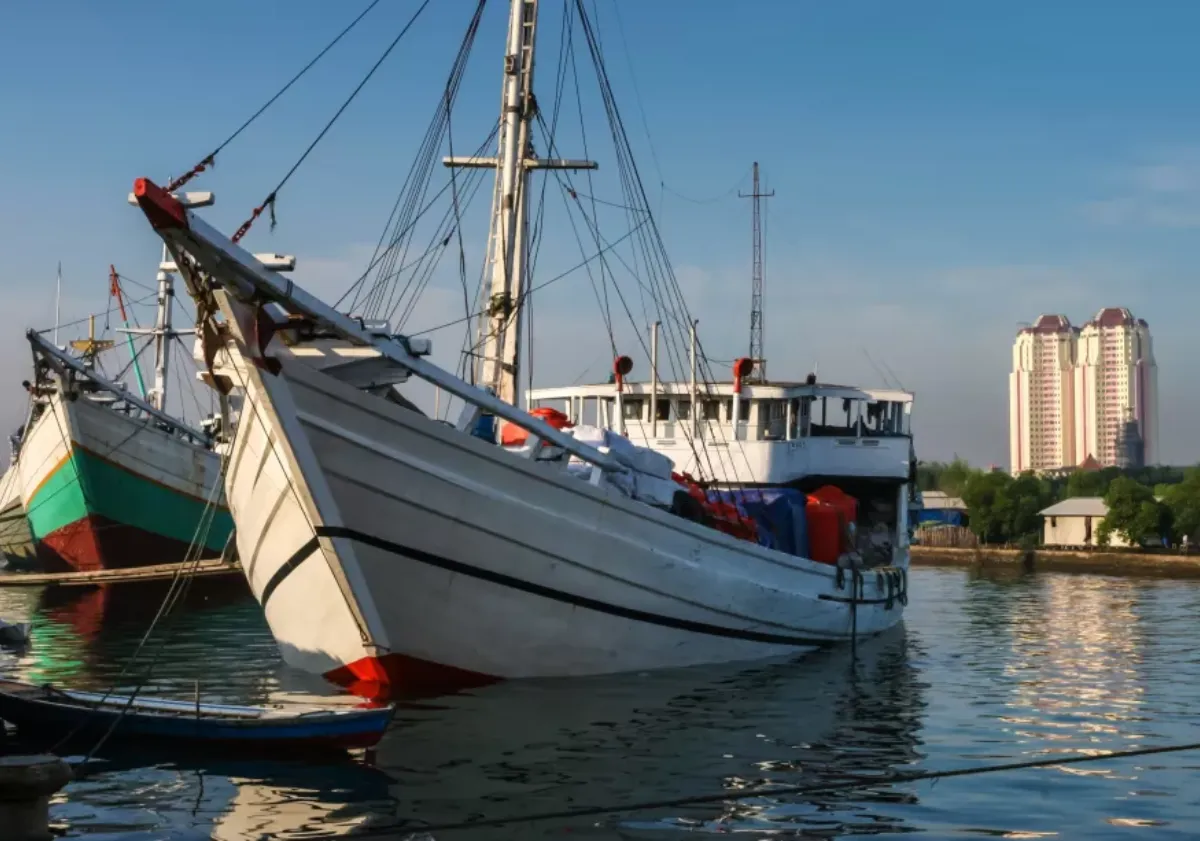
The ships are massive, painted in greens and blues, and the dock workers moving goods manually in front of a backdrop of glass towers is one of the more striking visual juxtapositions in the city.
This is a working port, not a tourist attraction, which is both what makes it interesting and what makes it worth visiting with a guide.
The docks are uneven, busy, and not particularly signed. Plan 30–45 minutes, wear shoes you can walk comfortably in, and keep valuables secured.
TMII compresses all 34 Indonesian provinces into a 150-hectare cultural park — each region represented by its traditional architecture, crafts, and cultural materials.
It sounds like a theme park, and in some ways it is, but the scale and detail of the houses are genuinely impressive.
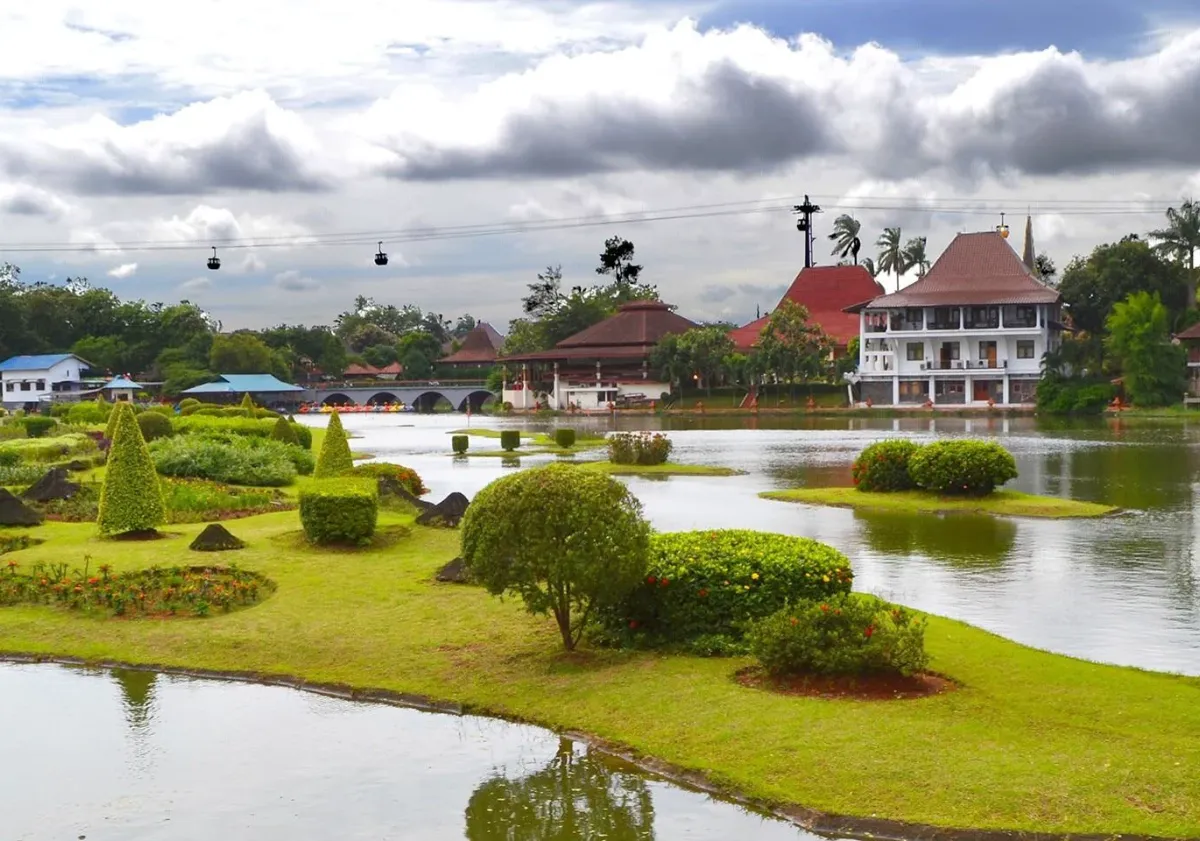
A Torajan boat-shaped roof next to a Balinese compound next to a Papuan stilt house gives you a physical sense of just how diverse the archipelago is.
The park also has a cable car that runs across the central lake, offering aerial views of the provincial houses below — worth the extra few minutes. Plan 90–120 minutes and either rent a golf cart at the entrance or be selective about which provinces you visit, because walking everything adds up quickly.
Lunch usually falls around midday when the heat makes outdoor sightseeing less pleasant anyway, so it's a natural break in the itinerary. A few good options depending on where you are in the city:
Plan 60–90 minutes for lunch. Most guided tour packages through Ekaputra Tour include a recommended lunch stop — confirm when booking whether lunch is included or at your own expense.
Jakarta's transport options range from excellent to time-consuming depending on what you're trying to do. Here's an honest breakdown for city tour purposes:
Private car with driver (most recommended): This is what Ekaputra Tour provides — a clean, air-conditioned vehicle with an experienced driver who knows Jakarta's traffic patterns. You get door-to-door service between every site, flexible timing, and no waiting between attractions. The cost ($50–80/day depending on group size) is genuinely good value spread across a full day of movement across the city.
Ride-hailing apps (Gojek/Grab): Work well for individual trips but add up in time and cost across a full-day itinerary. You're rebooking after every site, waiting for drivers, and losing 10–15 minutes each transition. Fine for one or two stops; not practical for six. For a more detailed breakdown, see our guide on using Grab and Gojek in Jakarta.
TransJakarta (public bus): Cheap and extensive, but not designed around the tourist route. Connections between Kota Tua, Istiqlal, and TMII involve transfers that eat time. Worth knowing exists, but not the right tool for a one-day city tour unless you have two days and are using the second day to explore more slowly.
Jakarta is hot and humid year-round, and the city tour covers both outdoor sites and religious spaces. Pack accordingly:
Leave expensive jewelry and unnecessary valuables at the hotel. A small crossbody bag is more practical than a large backpack across a day of moving between sites.
Ekaputra Tour has been running guided Jakarta city tours since 2017, working with international travelers from Australia, the US, Europe, and across Asia.
Tours are private by default meaning your group, your guide, your pace with English-speaking guides who know the city well beyond the standard tourist script.
Two tour options to choose from:
Questions before booking? Contact us directly or send a message via WhatsApp for a fast response.