If there's one dish that sums up Jakarta's everyday food culture, it's gado-gado. Cheap, filling, and packed with vegetables drenched in a rich peanut sauce, it's the kind of meal locals grow up eating at their neighborhood warung, not something reserved for tourists. This guide walks you through where to find the best gado-gado in Jakarta, from decades-old family-run stalls to modern dining spots giving it a fresh twist, plus tips on how to order like someone who's eaten it a hundred times before.
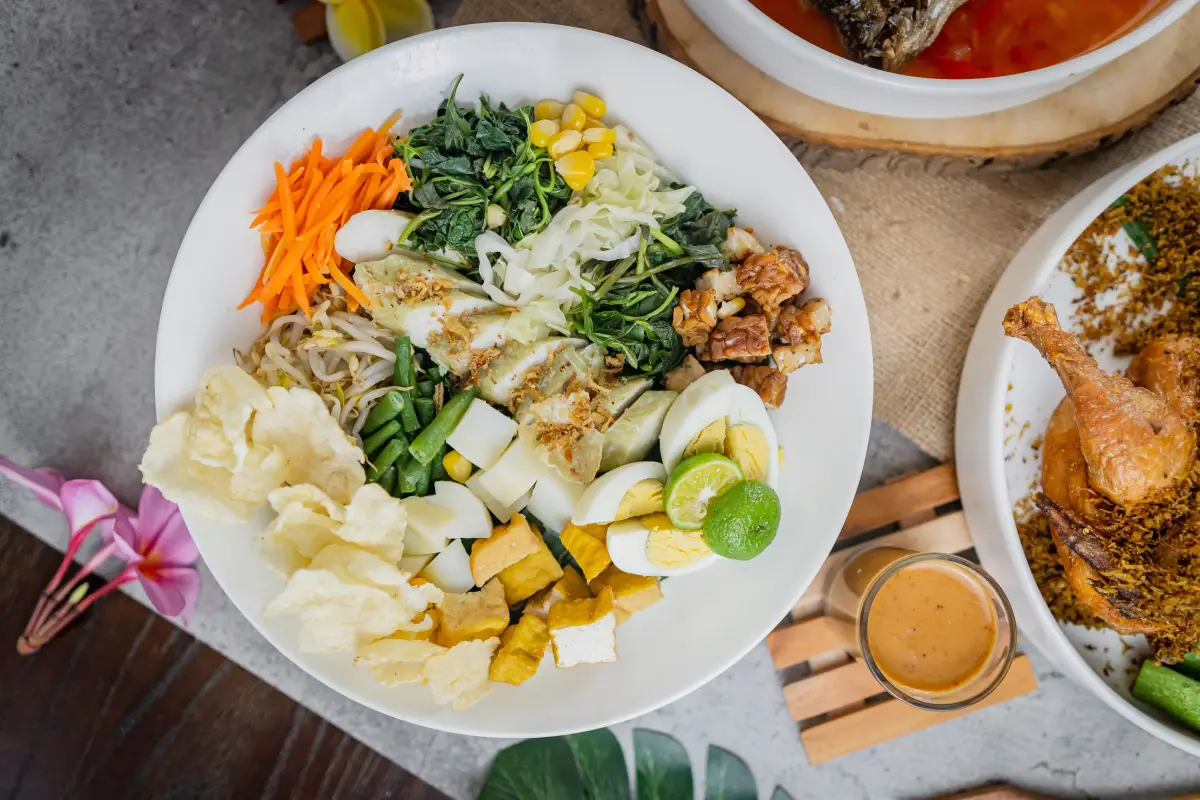
Gado-gado in Jakarta isn't just a salad, it's a cultural touchstone. The name roughly translates to "mix-mix," and that's exactly what it is: boiled or blanched vegetables like long beans, bean sprouts, and cabbage, combined with tofu, tempeh, boiled egg, and lontong (compressed rice cakes), all coated in a thick, savory peanut sauce. It sits somewhere between a salad and a comfort meal, hearty enough to be lunch on its own.
Unlike Padang food, which relies on coconut milk and chili-forward gravies (you can read more in our guide to the best Padang food in Jakarta), gado-gado's identity is built entirely around the peanut sauce. Every warung has its own version, some sweeter, some spicier, some thicker, which is part of why hunting it down across the city is so rewarding. It's a dish that reflects Jakarta's blended heritage, drawing influence from Sundanese and Betawi cooking traditions that have shaped the capital's food scene for generations.
The most authentic gado-gado experiences tend to come from warungs that have been serving the same recipe for decades, sometimes passed down through three generations of the same family. These spots are usually tucked into residential streets or old market corners in areas like Menteng, Cikini, and parts of Old Jakarta (Kota Tua), where the recipes haven't changed much since the mid-20th century.
What makes these warungs special isn't fancy presentation, it's consistency. The peanut sauce is often ground fresh daily using a mortar and pestle, and the vegetables are blanched to order rather than sitting out for hours. If you're exploring the historic quarter, pairing a warung stop with a walk around Old Jakarta's colonial buildings makes for a satisfying half-day outing, especially if you're already curious about the city's layered history.
On the other end of the spectrum, a newer wave of restaurants in South Jakarta and trendy pockets like Kemang and Senopati have started reinterpreting gado-gado for a more contemporary crowd. Think artfully plated vegetables, house-made peanut sauces with reduced sugar, or even gado-gado served alongside modern Indonesian tasting menus.
These restaurants won't necessarily replace the warung experience, but they're worth trying if you want to see how chefs are reimagining traditional Jakarta food for a new generation of diners. It's also a good option if you're traveling with kids or anyone hesitant about street food hygiene, since these venues typically offer more controlled kitchen environments while still keeping the dish's soul intact.
For the most unfiltered version of gado-gado in Jakarta, traditional markets are where you'll find locals lining up. Pasar Santa, a market-turned-hangout spot in South Jakarta, has become known for its mix of old-school stalls and newer food vendors, making it a great one-stop location to sample multiple versions in a single visit.
Street stalls scattered throughout residential neighborhoods are another goldmine, though they can be trickier for visitors to find without local knowledge. If you're near Blok M, ask around for gado-gado carts that set up in the late morning through early afternoon, as many sell out before dinner time. These stalls are typically cash-only and don't have signage in English, so a bit of pointing and smiling goes a long way.
Ordering gado-gado is simple once you know a few basics. Most vendors will ask if you want it with lontong (rice cakes) or plain rice, and whether you'd like it pedas (spicy), sedang (medium), or tidak pedas (not spicy). It's worth speaking up here, since the peanut sauce is often blended fresh with chili to order.
A few more tips for a smoother experience:
If you'd rather not navigate the city solo trying to track down the best stalls, pairing your food exploration with a guided tour can save a lot of time. Jakarta's full-day shopping and food culinary tour is built around exactly this kind of experience, weaving in stops at traditional markets and local eateries alongside shopping destinations, so you get a genuine taste of the city without the guesswork.
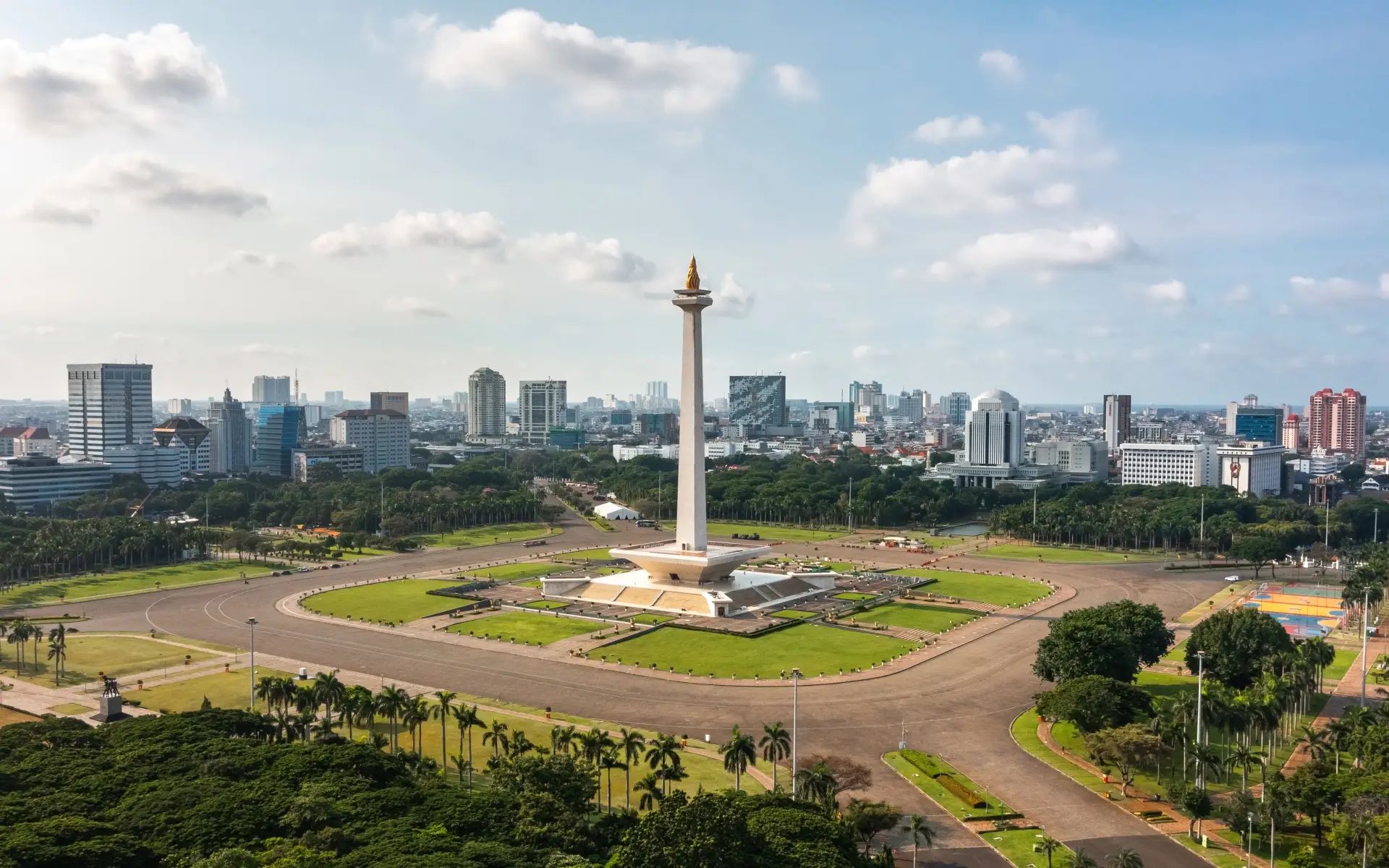
For travelers who want cultural context alongside their food discoveries, a broader city tour covering landmarks, traditional houses, and historic districts rounds out the day nicely.
Combining a food-focused itinerary with cultural sightseeing gives you a fuller picture of Jakarta, not just what it tastes like, but what shaped those flavors in the first place.
Jakarta rewards travelers who are willing to wander a little. Beyond gado-gado, the city's markets and warungs are full of dishes worth trying, and getting around is easier than it looks if you use the MRT for parts of your route (our Jakarta MRT guide covers stations near major food and cultural spots). Staying hydrated, carrying small cash denominations, and being open to eating where the queues are longest are all solid habits for food exploration here.
If your trip includes an arrival or departure through Soekarno-Hatta, it's also worth checking out spots near the airport before or after your flight, covered in our guide to places to visit near Jakarta Airport, so you can fit in one more meal before heading home.
Gado-gado is a mix of boiled or blanched vegetables such as long beans, bean sprouts, and cabbage, combined with tofu, tempeh, boiled egg, and lontong (rice cakes), all dressed in a thick peanut sauce.
No. Gado-gado is a Jakarta and Sundanese-influenced dish based on peanut sauce, while Padang food from West Sumatra typically uses coconut milk and chili-heavy gravies like rendang.
Old Jakarta warungs, traditional markets like Pasar Santa, and long-standing eateries in areas such as Menteng or Blok M are reliable places to find authentic versions.
Yes, most gado-gado is vegetarian since it relies on vegetables, tofu, and tempeh, though some vendors add shrimp crackers or shrimp paste, so it's best to ask if you avoid seafood products.
Spice level varies by vendor since the peanut sauce is often made fresh with chili to order, so you can typically request mild, medium, or spicy versions.
Yes, many full-day culture or culinary tours in Jakarta include stops at local eateries, making it easy to try gado-gado alongside other iconic dishes without navigating the city alone.
Ready to taste Jakarta's best gado-gado without the guesswork? Book the Jakarta Full-day Shopping & Food Culinary Tour with Ekaputra Tour and let a local guide take you straight to the markets and warungs that matter.