Main Navigation
Yogyakarta, often simply called Jogja, is one of Indonesia's most beloved cultural cities, and it happens to be a shopper's dream as well. From centuries-old batik traditions to handcrafted silver jewelry and quirky modern souvenirs, the city offers something for every kind of traveler. Whether you are hunting for authentic textiles, unique gifts, or just want to enjoy the buzz of a lively street market, this guide to the best shopping spots in Yogyakarta will help you shop like a local, not a tourist.
Unlike big, sprawling metropolises, Yogyakarta packs its shopping charm into a compact, walkable area. Within a single afternoon, you can browse a centuries-old market, watch silversmiths at work, and pick up a locally designed t-shirt, all without needing a car. The city's deep artistic heritage, rooted in the Sultan's Palace and its surrounding kampongs, means that much of what you find here is handmade, culturally rich, and rarely available anywhere else in Indonesia.
Jogja also tends to be more affordable than Jakarta or Bali, making it an ideal place to stock up on souvenirs and gifts. If you are planning a longer Indonesian itinerary, it is worth reading about how to travel from Jakarta to Yogyakarta so you can plan your shopping days around your journey.
No conversation about where to shop in Jogja is complete without mentioning Malioboro Street. This bustling boulevard is the beating heart of the city, lined with countless stalls, shophouses, and street vendors selling everything from batik shirts and leather sandals to handwoven bags and wooden crafts.
Malioboro street shopping is as much about the experience as it is about the purchases. Street musicians, becak (pedicab) drivers, and the aroma of grilled satay create a sensory overload that makes strolling here memorable even if you do not buy a single thing. That said, this is also where you will find some of the best deals on batik shirts, sarongs, and small souvenirs, especially if you are comfortable with a bit of friendly haggling.
Because Malioboro sits close to many hotels and the Yogyakarta Palace complex, it is easy to combine a shopping stroll with sightseeing. In fact, many visitors pair their Malioboro visit with a broader cultural exploration, such as the Best of Yogyakarta Tour - 3 Days, which covers the city's heritage sites alongside its shopping streets.
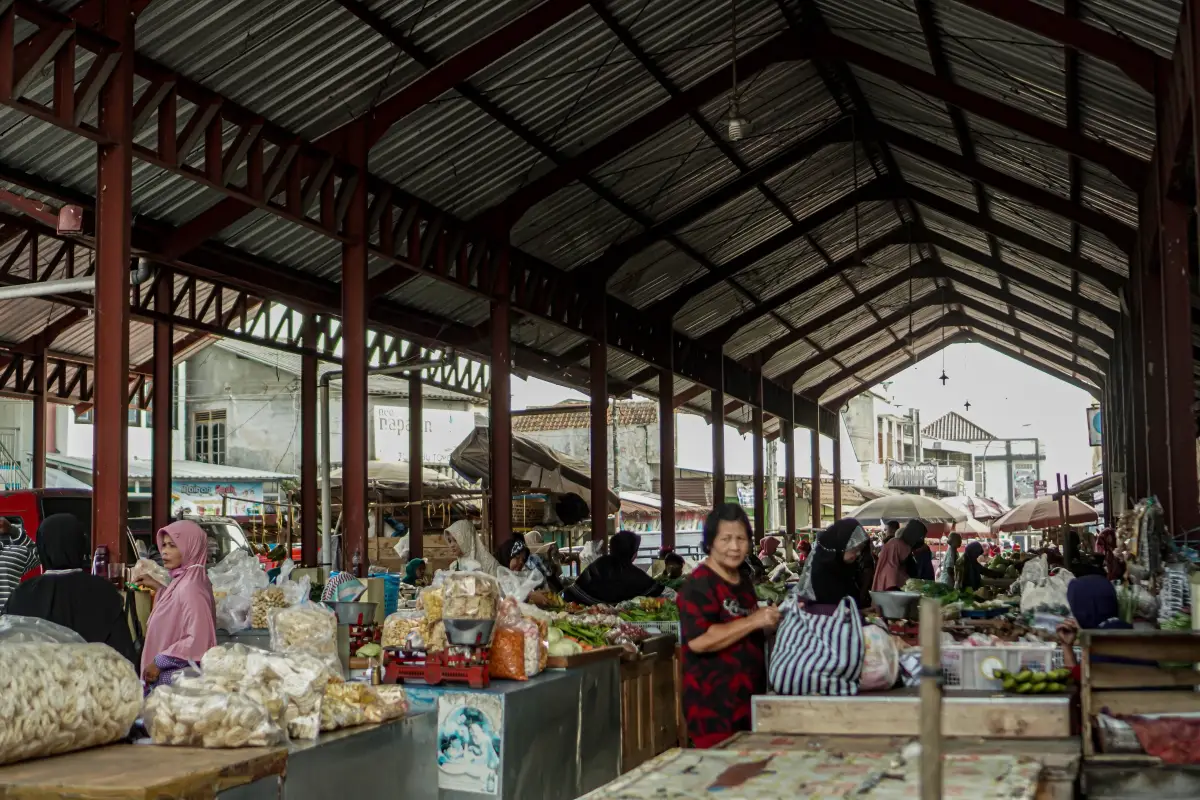
Just a short walk from Malioboro sits Beringharjo Market, one of the oldest and most authentic markets in Yogyakarta. This is where locals themselves shop, and it shows in the sheer variety of goods on offer. Any proper Beringharjo Market guide will tell you to head to the upper floors for the best selection of batik, both machine-printed and hand-stamped, at prices significantly lower than boutique stores.
Beyond batik shopping in Yogyakarta, Beringharjo is also a fantastic place to explore traditional herbal medicine (jamu), dried spices, snacks, and even antique curios tucked into the market's older corners. The ground floor tends to focus on fresh produce and spices, while the upper levels are dedicated almost entirely to textiles and clothing.
Because this is a traditional market, prices are rarely fixed, so a little negotiation goes a long way. We will cover specific bargaining strategies later in this guide, but as a general rule, patience and a smile will serve you well here.
For travelers interested in fine craftsmanship, Kotagede is an essential stop. This historic district, once the capital of the Mataram Sultanate, has been Yogyakarta's center for silver work for generations. Kotagede silver shopping is unlike anything you will find in a mall or souvenir shop: here, you can watch artisans hammer, solder, and shape silver into intricate jewelry, tableware, and decorative pieces right in front of you.
Many workshops in Kotagede offer both ready-made pieces and custom orders, so if you have a specific design in mind, do not hesitate to ask. Prices vary depending on the weight and intricacy of the piece, but buying directly from artisans generally means better value and the assurance of authenticity compared to generic tourist shops.
Kotagede pairs wonderfully with a half-day cultural itinerary, since the area also features old Javanese mansions and a historic cemetery linked to the Mataram royal family, giving you history and shopping in one stop.
If batik and silver feel too formal for your taste, Dagadu offers a fun, contemporary alternative. Born in Yogyakarta in the early 1990s, Dagadu has become the unofficial souvenir brand of the city, known for its witty, locally themed graphic t-shirts that reference Jogja culture, slang, and landmarks.
You will find official Dagadu outlets scattered around the city, including locations near Malioboro, as well as numerous imitation stalls selling similar designs at lower prices. While the knockoffs are tempting for budget travelers, visiting an official store guarantees better print quality and authentic designs. Alongside Dagadu, keep an eye out for other homegrown Jogja apparel brands, which make for memorable and functional Yogyakarta souvenirs that friends and family will actually want to wear.
For a more relaxed, curated shopping experience, head to Prawirotaman, a neighborhood popular with long-term travelers and expatriates. Unlike the crowded energy of Malioboro, Prawirotaman offers boutique shops, small galleries, and artisan stores selling handmade leather goods, home decor, jewelry, and unique fashion pieces.
This area is also known for its charming guesthouses and cafes, making it easy to combine a slow morning of coffee and shopping without the rush of the busier tourist zones. If you appreciate design-forward souvenirs or want something a little different from typical market finds, Prawirotaman is well worth the detour.
Jogja's tropical heat can be intense, especially in the middle of the day, so it helps to know where to cool off while still shopping. Malioboro Mall, located right along the famous street, offers a mix of international brands, local fashion outlets, and a food court, making it a convenient stop between outdoor market visits.
Hartono Mall, one of the largest shopping centers in the city, is another solid option, particularly if you are looking for electronics, larger fashion retailers, or a proper cinema break. These malls may lack the cultural charm of Beringharjo or Kotagede, but they are practical for restocking essentials, escaping the heat, or finding specific brands not available in traditional markets.
Bargaining is part of the shopping culture in Yogyakarta's traditional markets, though it is not expected in malls or official brand stores where prices are fixed. In places like Beringharjo Market or the smaller Malioboro stalls, a good rule of thumb is to start your offer at around 40-50% of the initial asking price, then negotiate politely toward a fair middle ground.
A few etiquette tips can make the process smoother and more enjoyable for both you and the seller:
If you are traveling solo, especially as a woman navigating busy markets, it is worth reading our solo female travel safety guide for Jakarta and Yogyakarta for practical tips on staying comfortable and confident while exploring these areas. And if you are visiting during Ramadan, our Ramadan travel guide for Jakarta and Yogyakarta offers useful context on adjusted market hours and local customs.
Malioboro Street is the most popular and central shopping area, offering everything from batik and souvenirs to street food, all within walking distance of many hotels.
Yes, bargaining is expected and part of the shopping culture at Beringharjo Market. Starting at 40-50% of the initial price and negotiating politely usually leads to a fair deal.
Kotagede is Yogyakarta's historic silver-making district, known for handcrafted silver jewelry, tableware, and accessories sold directly by local artisans and workshops.
Popular souvenirs include batik textiles, Dagadu t-shirts, handmade silver jewelry, wayang (leather puppets), and local snacks like bakpia pathok.
Yes, Malioboro Mall and Hartono Mall are popular modern shopping centers offering international brands, local fashion outlets, and food courts in an air-conditioned setting.
Absolutely. Many travelers pair a Malioboro shopping stop with temple visits, such as the Best of Yogyakarta Tour, which includes cultural sites alongside city exploration.
Ready to experience the best shopping spots in Yogyakarta alongside its iconic temples and cultural landmarks? Check out the Best of Yogyakarta Tour - 4 Days and let Ekaputra Tour handle the planning while you focus on filling your suitcase with batik, silver, and unforgettable memories.